Top 10 Skills Every Student Needs for Success in the Modern World
The modern world is fast-paced, competitive, and constantly evolving. For today’s students, academic knowledge alone is not enough to guarantee success. Employers, educators, and society at large now value a broader set of skills—ranging from digital literacy to emotional intelligence—that empower individuals to adapt, grow, and thrive.
In this article, we’ll explore the top 10 essential skills every student needs in 2025 and beyond to succeed in academics, careers, and life.
1. Critical Thinking and Problem-Solving
One of the most important skills students need is the ability to think critically and solve problems effectively. In an age where information is abundant, success depends not on memorizing facts but on analyzing, questioning, and making informed decisions.
- Helps students approach challenges logically.
- Encourages creativity in finding solutions.
- Prepares them for real-world decision-making.
Critical thinking empowers students to separate truth from misinformation, a vital skill in today’s digital age.
2. Digital Literacy
Technology is at the heart of modern life. From online classes to workplace collaboration, digital literacy has become a must-have skill. Students who can confidently navigate digital tools, platforms, and software gain a huge advantage.
Digital literacy includes:
- Using productivity tools like Word, Excel, and Google Workspace.
- Understanding cybersecurity basics.
- Knowing how to research and evaluate online sources.
As artificial intelligence, cloud computing, and automation continue to grow, digital literacy ensures students remain competitive in future careers.
3. Communication Skills
Strong communication—both verbal and written—is a timeless skill. In today’s interconnected world, students must learn how to express ideas clearly, collaborate effectively, and build professional relationships.
- Verbal communication is vital for presentations, interviews, and teamwork.
- Written communication is essential for reports, emails, and digital interactions.
- Active listening improves collaboration and reduces misunderstandings.
In short, good communication turns knowledge into influence.
4. Adaptability and Flexibility
The modern world is unpredictable. New technologies, global events, and changing industries mean that adaptability is more important than ever. Students who can embrace change and learn new skills quickly will stay ahead.
Benefits of adaptability:
- Greater resilience in the face of challenges.
- Ability to transition smoothly between different roles.
- Confidence in navigating uncertain futures.
Employers seek graduates who are flexible and willing to grow with shifting demands.
5. Emotional Intelligence (EQ)
Academic intelligence alone doesn’t define success. Emotional intelligence (EQ)—the ability to recognize, understand, and manage emotions—plays an equally critical role.
EQ helps students to:
- Build strong relationships with peers and teachers.
- Manage stress and pressure effectively.
- Resolve conflicts with empathy and understanding.
In 2025 and beyond, employers rank EQ as highly as technical skills because teamwork and leadership depend on it.
6. Creativity and Innovation
Creativity is not limited to art or design; it’s about thinking outside the box and generating fresh ideas. Innovation drives industries forward, and students who embrace creativity will always stand out.
- Encourages problem-solving from different perspectives.
- Fosters originality in projects and work.
- Opens doors to entrepreneurship and leadership opportunities.
In a world where AI handles routine tasks, human creativity becomes the ultimate differentiator.
7. Collaboration and Teamwork
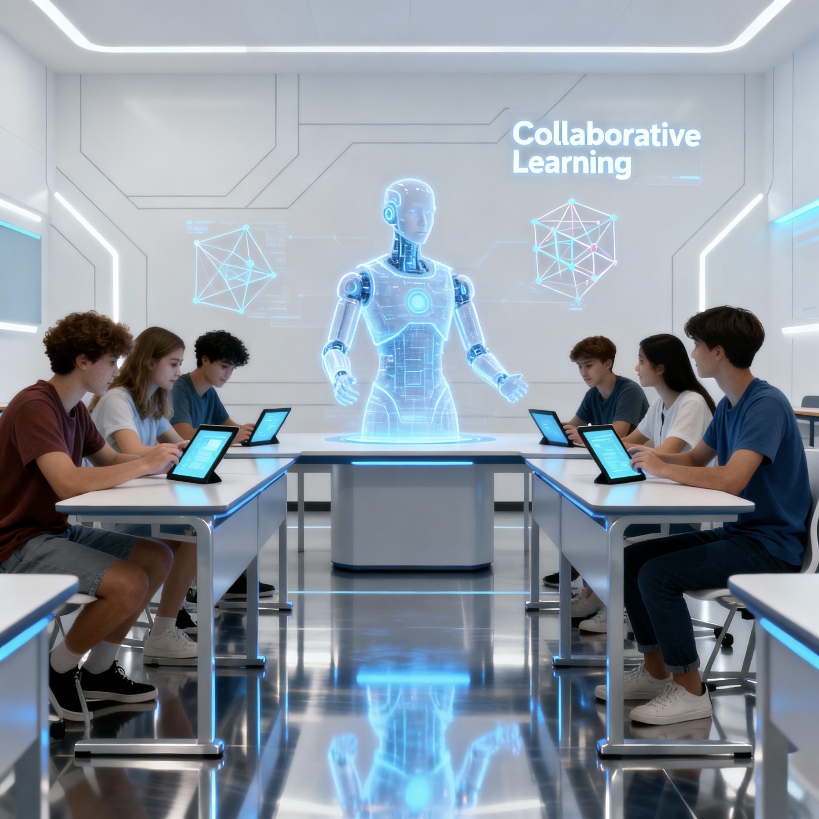
Success rarely happens in isolation. Whether in classrooms or workplaces, students must know how to work in teams, respect diverse viewpoints, and contribute effectively to group goals.
Teamwork skills include:
- Sharing responsibilities fairly.
- Respecting cultural and personal differences.
- Balancing leadership and cooperation.
Modern workplaces thrive on collaboration, making this skill critical for success.
8. Time Management and Organization
Students often juggle classes, assignments, extracurricular activities, and personal responsibilities. Time management and organization are essential for handling these demands without burnout.
Key aspects of this skill:
- Prioritizing tasks effectively.
- Avoiding procrastination.
- Using productivity tools like planners, calendars, or apps.
Those who master time management not only perform better academically but also develop habits that serve them for life.
9. Global and Cultural Awareness
We now live in a globalized world where cultural understanding and awareness are vital. Students who learn to appreciate diversity and respect differences are more prepared to work internationally and connect with others.
- Promotes tolerance and empathy.
- Prepares students for global job markets.
- Builds awareness of international challenges like climate change, migration, and economic shifts.
Cultural intelligence is increasingly valued by multinational companies and global organizations.
10. Leadership Skills
Finally, leadership is not just about managing others—it’s about inspiring, motivating, and guiding people toward shared goals. Even students who don’t see themselves as leaders benefit from learning leadership principles.
Leadership skills include:
- Taking initiative.
- Making responsible decisions.
- Empowering and supporting others.
Strong leadership prepares students to stand out in both their academic journeys and future careers.
Why These Skills Matter
The combination of academic knowledge and these 10 essential skills creates well-rounded individuals who are ready for modern challenges. Employers increasingly look for graduates who can adapt, communicate, innovate, and lead, not just those with high grades.
In fact, many of these skills—such as emotional intelligence, adaptability, and teamwork—cannot easily be replaced by machines, making them even more valuable in the age of automation and AI.
Conclusion
The modern world demands more than just textbook knowledge. To thrive in 2025 and beyond, students must develop a strong foundation in both technical and soft skills.
The top 10 skills every student needs for success—critical thinking, digital literacy, communication, adaptability, emotional intelligence, creativity, teamwork, time management, global awareness, and leadership—form the toolkit for navigating an ever-changing future.
By mastering these skills, students not only prepare themselves for career success but also become confident, adaptable, and impactful individuals in society.