Beginner’s Guide to Personal Finance: How to Save, Budget, and Invest
Managing money wisely is a skill that can transform your life. Unfortunately, many people never learn the basics of personal finance, which leads to stress, debt, and missed opportunities. The good news is that it’s never too late to start. Whether you’re a student, young professional, or simply someone looking to improve your financial habits, understanding how to save, budget, and invest will set you on the path toward financial security and independence.
This beginner’s guide will walk you through the essential steps of personal finance in a way that’s simple, practical, and effective.
Why Personal Finance Matters
Personal finance is about more than just paying bills. It’s about taking control of your money so you can reach your goals, whether that’s buying a home, traveling the world, starting a business, or retiring comfortably.
Without a solid financial plan, it’s easy to fall into the trap of living paycheck to paycheck, relying on credit cards, and struggling with debt. By learning how to save, budget, and invest, you’ll not only gain peace of mind but also create opportunities for long-term wealth building.
Step 1: Build the Habit of Saving
Why Saving Comes First
Saving money is the foundation of personal finance. It provides a cushion for emergencies, reduces reliance on debt, and allows you to take advantage of opportunities when they arise. Even small amounts saved consistently can add up to significant sums over time.
How to Start Saving
- Pay Yourself First – Treat saving like a non-negotiable bill. Set aside a portion of your income as soon as you get paid.
- Automate Savings – Use your bank’s auto-transfer feature to move money into a savings account every payday.
- Set Clear Goals – Saving becomes easier when you know what you’re working toward. Common goals include building an emergency fund, buying a car, or planning a vacation.
Emergency Fund Basics
An emergency fund is your financial safety net. Experts recommend saving at least 3–6 months of living expenses in a separate, easily accessible account. This fund is not for shopping sprees—it’s for unexpected expenses like medical bills, car repairs, or job loss.
Step 2: Master the Art of Budgeting
What Is a Budget?
A budget is simply a plan for how you’ll spend and manage your money. Instead of wondering where your money went each month, a budget gives every dollar a job and keeps you in control.
Popular Budgeting Methods
- 50/30/20 Rule – Allocate 50% of income to needs, 30% to wants, and 20% to savings or debt repayment.
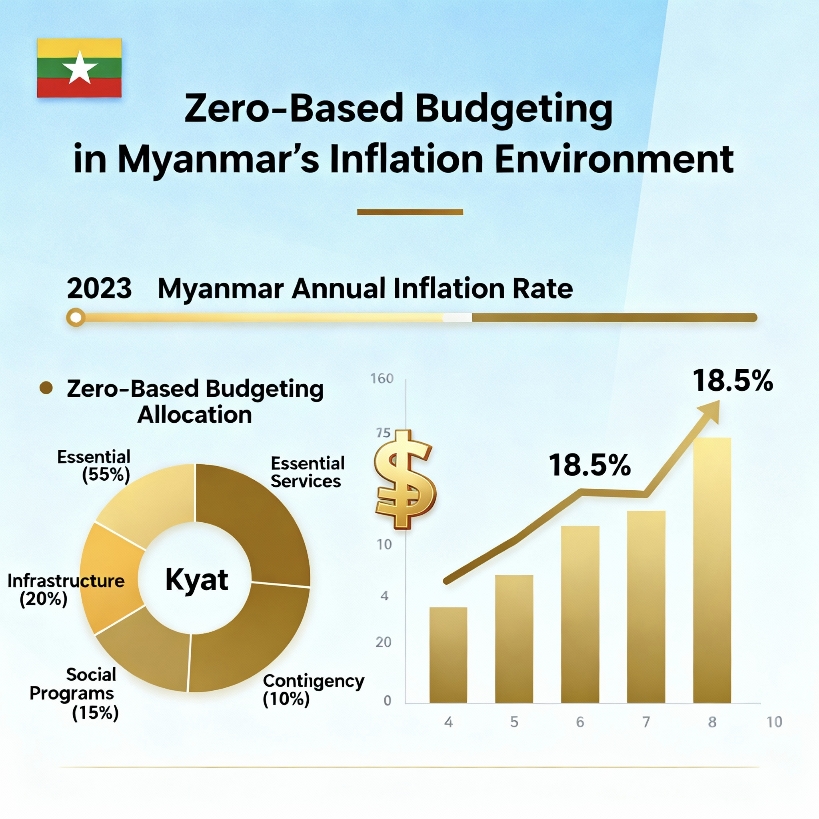
- Zero-Based Budget – Every dollar is assigned to a specific purpose until your income minus expenses equals zero.
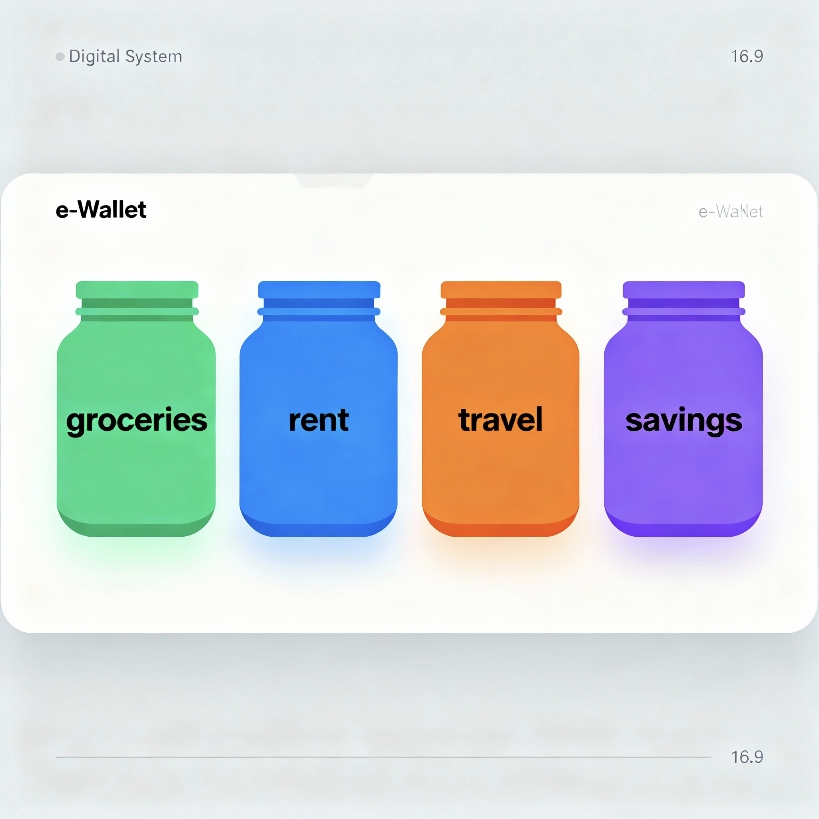
- Envelope System – Cash is divided into envelopes for different categories like groceries, entertainment, or fuel.
Tips to Stick to Your Budget
- Track every expense for at least one month to see where your money really goes.
- Use budgeting apps to simplify the process.
- Review your budget monthly and adjust as your income or expenses change.
Budgeting isn’t about restriction—it’s about empowerment. Once you know how much you’re spending, you can make conscious choices that align with your financial goals.
Step 3: Learn to Manage Debt Wisely
Debt can be a huge obstacle to financial freedom. While not all debt is bad (student loans or mortgages may be considered investments), high-interest debt like credit cards can trap you in a cycle of payments.
Strategies for Paying Off Debt
- Debt Snowball Method – Pay off the smallest debts first to build momentum and motivation.
- Debt Avalanche Method – Focus on paying off debts with the highest interest rates first, saving more money long-term.
- Balance Transfers or Refinancing – Consider lower-interest options to make debt more manageable.
The key is to stop adding unnecessary debt and commit to a repayment plan. Once debt is under control, you’ll free up money for saving and investing.
Step 4: Start Investing for the Future
Why Investing Is Essential
Saving is important, but savings alone won’t make you wealthy. Inflation erodes the value of money over time, meaning that $1,000 today won’t buy the same amount in 20 years. That’s where investing comes in—it allows your money to grow and work for you.
Investment Options for Beginners
- Retirement Accounts – Contribute to accounts like 401(k) or IRAs if available. They often come with tax advantages.
- Index Funds and ETFs – These are low-cost, diversified investments that track the stock market’s overall performance. Perfect for beginners.
- Stocks – Buying shares of individual companies offers higher rewards but comes with more risk.
- Bonds – Safer but lower-return investments that provide steady income.
- Real Estate – Investing in property can generate passive income and build equity.
Tips for Beginner Investors
- Start small and increase contributions as your confidence grows.
- Focus on long-term growth rather than short-term gains.
- Diversify your portfolio to reduce risk.
- Avoid emotional decisions—markets go up and down, but history shows they grow over time.
Step 5: Build Strong Money Habits
Consistency is what turns small financial steps into long-term success. Along with saving, budgeting, and investing, developing strong money habits ensures you stay on track.
Essential Money Habits to Develop
- Live Below Your Means – Spend less than you earn, even as your income grows.
- Track Your Credit Score – A good score can save you money on loans and mortgages.
- Continue Learning – Read books, listen to podcasts, and stay updated on financial trends.
- Review Your Finances Regularly – Set aside time each month to check your progress and adjust as needed.
Step 6: Protect Your Finances
It’s not enough to build wealth—you also need to protect it. Insurance and estate planning ensure that unexpected events don’t wipe out your financial progress.
Key Protections to Consider
- Health Insurance – Protects against large medical bills.
- Life Insurance – Provides security for your family in case of death.
- Disability Insurance – Replaces income if you’re unable to work.
- Estate Planning – A simple will or trust ensures your assets are distributed according to your wishes.
Beginner’s Mistakes to Avoid
Even with the best intentions, it’s easy to fall into common traps when starting out. Here are a few to watch for:
- Ignoring small expenses that add up over time.
- Using credit cards without paying the balance in full.
- Delaying investing because you think you need a lot of money to start.
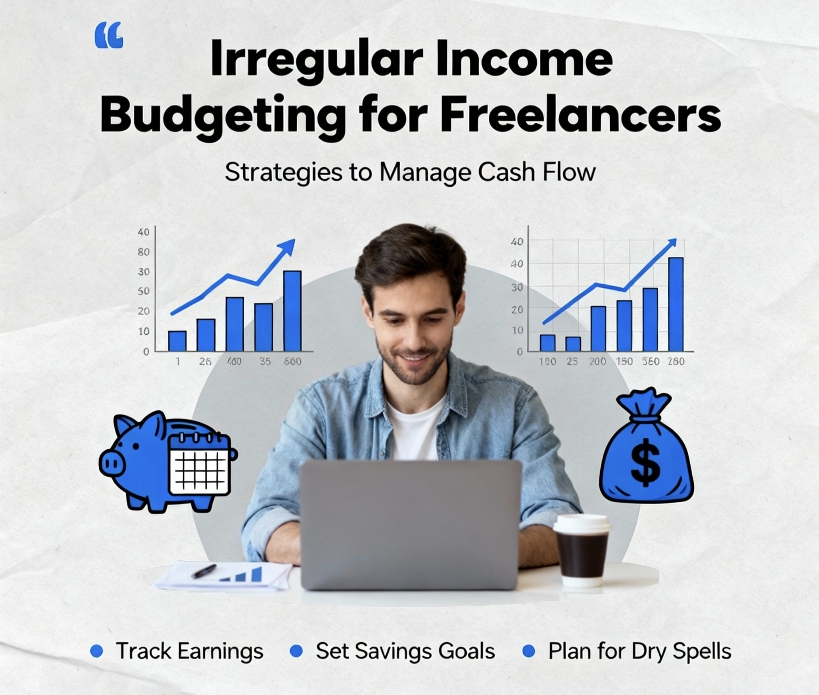
- Failing to plan for irregular expenses like holidays or annual fees.
Avoiding these mistakes will keep your financial journey smooth and focused.
Final Thoughts
Personal finance doesn’t have to be complicated. By focusing on the basics—saving, budgeting, and investing—you can create a strong foundation for financial success. Remember, it’s not about how much money you make but how you manage it.
Start small, be consistent, and give yourself time. With discipline and smart habits, you’ll build a future where money works for you instead of controlling you.