Top 10 Automotive Trends Shaping the Future of Cars in 2025
The automotive industry has always been a symbol of innovation, constantly adapting to new technologies, consumer preferences, and environmental demands. In 2025, cars are no longer just a mode of transport—they are becoming smart, sustainable, and deeply integrated with digital lifestyles. From electric powertrains to AI-driven features, the automotive landscape is evolving at a pace never seen before.
In this article, we’ll explore the top 10 automotive trends shaping the future of cars in 2025, and what they mean for drivers, manufacturers, and the world.
1. The Acceleration of Electric Vehicles (EVs)
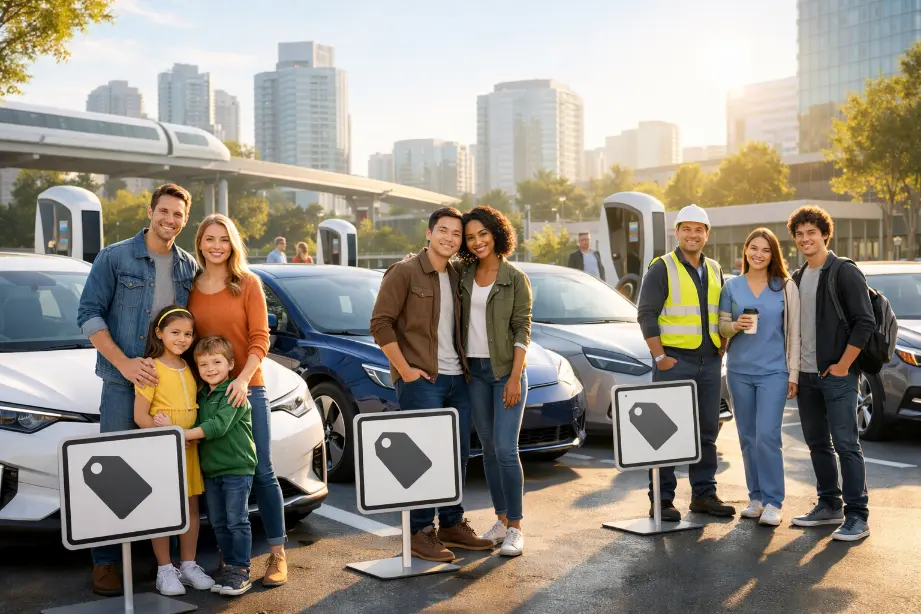
One of the most noticeable shifts in the automotive industry is the rapid adoption of electric vehicles. With stricter emission regulations, rising fuel costs, and growing awareness of climate change, EVs have moved from being niche options to mainstream choices.
By 2025, nearly every major car manufacturer is offering multiple electric models. Battery technology has improved significantly, offering longer ranges (400–600 miles per charge) and faster charging times. Governments worldwide are incentivizing EV adoption, while charging infrastructure is expanding in urban and rural areas alike.
Why it matters: EVs are central to reducing global carbon emissions and represent a future where cleaner, quieter, and more efficient mobility is the norm.
2. Autonomous Driving Gains More Ground
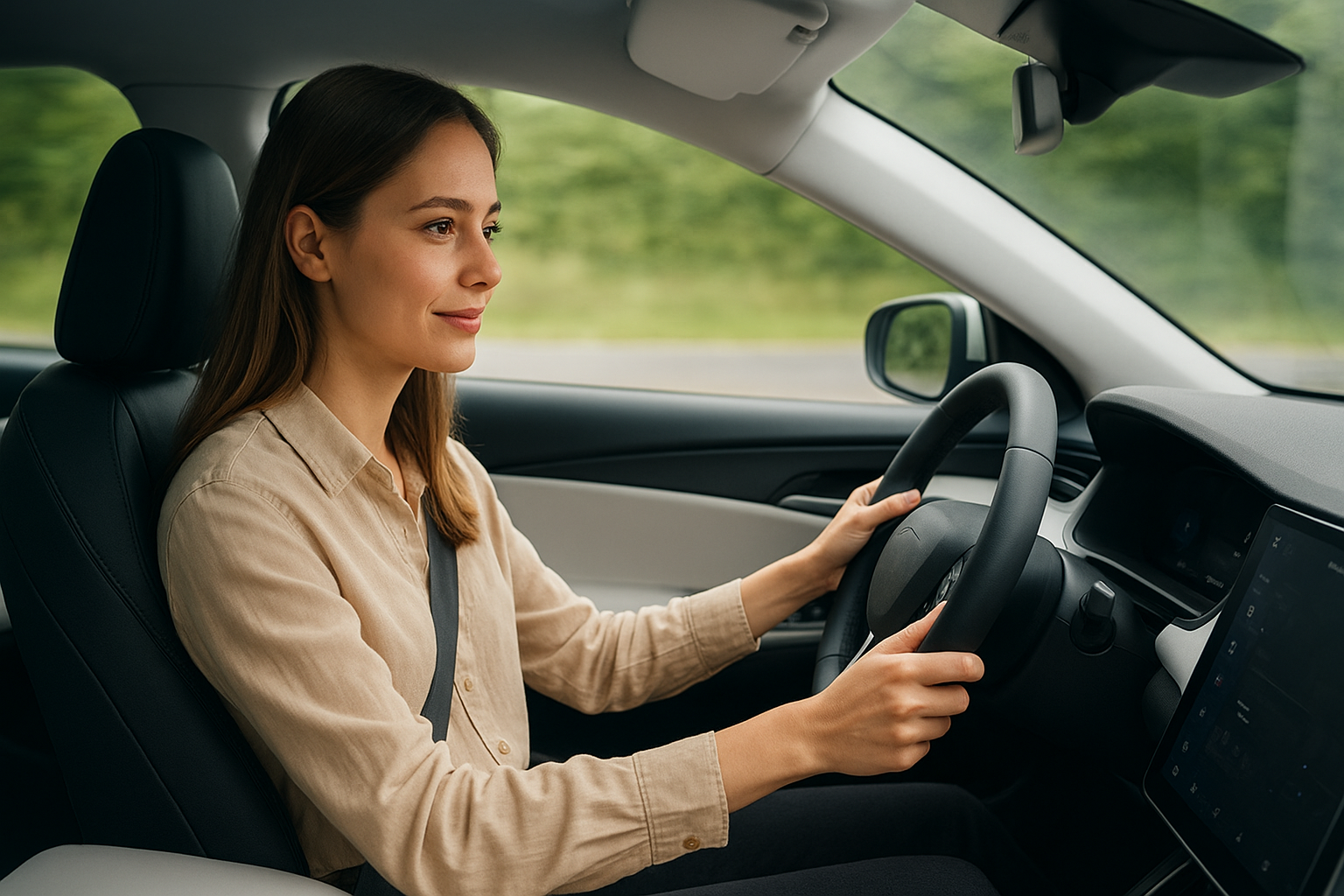
Self-driving cars have been in development for over a decade, but in 2025, we are witnessing major advancements in autonomous technology. While fully driverless cars aren’t everywhere yet, semi-autonomous features like automated lane changes, adaptive cruise control, and hands-free highway driving are becoming standard in many vehicles.
Companies like Tesla, Waymo, and traditional automakers are testing Level 4 autonomous cars in select cities. These vehicles use AI, lidar, radar, and cameras to navigate traffic, recognize pedestrians, and make decisions in real time.
Why it matters: Autonomous technology not only makes driving more convenient but also promises fewer accidents, better traffic flow, and greater mobility for elderly and disabled individuals.
3. Connected Cars and the Internet of Things (IoT)
Cars are no longer isolated machines. In 2025, vehicles are fully connected through IoT, communicating with smartphones, smart homes, and even other vehicles. Features such as real-time traffic updates, predictive maintenance alerts, and over-the-air software updates are now the norm.
5G connectivity has unlocked new possibilities for cars, enabling lightning-fast communication between vehicles and infrastructure (V2X). For example, cars can receive alerts about accidents ahead, automatically reroute, or adjust speeds to reduce congestion.
Why it matters: Connected cars improve safety, convenience, and efficiency while turning vehicles into data-driven platforms for services and entertainment.
4. Advanced Driver Assistance Systems (ADAS)
While autonomous vehicles are still evolving, ADAS technologies are already widely implemented in 2025. These include automatic emergency braking, lane departure warnings, blind-spot monitoring, and pedestrian detection systems.
AI-driven ADAS features make driving safer by reducing human error, which is responsible for the majority of road accidents. With governments pushing safety regulations, many of these features are now mandatory in new cars.
Why it matters: ADAS technology is a stepping stone toward fully autonomous cars and is already saving thousands of lives every year.
5. Rise of Sustainable Materials and Green Manufacturing
Sustainability isn’t just about switching to electric power—it also extends to how cars are built. Automakers in 2025 are focusing on eco-friendly materials such as recycled plastics, plant-based fabrics, and lightweight metals.
Factories are increasingly powered by renewable energy, and closed-loop recycling systems ensure that old vehicles are dismantled and reused efficiently. Consumers are also more eco-conscious, demanding greener practices from carmakers.
Why it matters: Sustainable manufacturing reduces the overall carbon footprint of vehicles and helps align the industry with global climate goals.
6. Shared Mobility and Car Subscription Services
Car ownership is evolving. In many urban areas, people are opting for ride-sharing, car-sharing, and subscription-based services rather than purchasing a car outright. Companies now offer monthly subscription models that provide access to different types of vehicles depending on needs.
With rising costs of ownership (insurance, maintenance, parking), many consumers find flexibility in shared mobility solutions. Autonomous ride-hailing fleets are also being tested, which may further reduce the need for personal car ownership.
Why it matters: Shared mobility reduces traffic congestion, lowers emissions, and makes transportation more accessible and cost-effective.
7. Artificial Intelligence and Personalization
Cars in 2025 are becoming more like personal assistants on wheels. AI is transforming the driving experience by learning driver preferences, predicting routes, and even customizing in-car entertainment.
Voice assistants integrated into vehicles can control climate, navigation, and music, while AI algorithms analyze driving behavior to suggest fuel-efficient or safer driving habits. Some luxury cars even feature AI-driven emotional recognition, adjusting lighting and music to match the driver’s mood.
Why it matters: Personalization enhances comfort and safety, making vehicles more intuitive and tailored to individual needs.
8. Vehicle-to-Everything (V2X) Communication
One of the biggest breakthroughs in automotive technology is V2X communication, which allows cars to “talk” to traffic lights, road signs, and even pedestrians’ smartphones.
For instance, a car approaching a red light can automatically slow down, or a vehicle can warn others of a slippery road ahead. In smart cities, V2X will be crucial for managing traffic, reducing accidents, and improving overall mobility.
Why it matters: V2X is essential for fully autonomous driving and creates a safer, more efficient transportation ecosystem.
9. Hydrogen Fuel Cell Vehicles
While electric vehicles dominate headlines, hydrogen fuel cell technology is also making progress in 2025. Hydrogen-powered cars produce zero emissions, with water being the only byproduct. They also offer faster refueling times compared to EVs.
Although infrastructure is still limited, governments and automakers are investing in hydrogen refueling stations. Heavy-duty vehicles like trucks and buses are adopting hydrogen because of its ability to handle long distances and heavy loads more effectively than batteries.
Why it matters: Hydrogen complements EVs by offering another sustainable alternative, particularly for industries and regions where battery-powered vehicles may not be practical.
10. Digital Retail and Online Car Buying
The pandemic accelerated digital adoption, and by 2025, online car buying is mainstream. Consumers can now explore, customize, finance, and even sign contracts entirely online, often with cars delivered directly to their homes.
Virtual reality (VR) and augmented reality (AR) allow customers to experience test drives without leaving their living rooms. Dealerships are transforming into experience centers rather than traditional sales hubs.
Why it matters: The shift to digital car buying offers convenience, transparency, and efficiency, aligning with consumer expectations in the digital age.
Final Thoughts
The automotive industry in 2025 is being redefined by technology, sustainability, and digital transformation. From electric vehicles to AI-powered personalization and autonomous driving, cars are becoming smarter, safer, and more eco-friendly than ever before.
These top 10 trends show that the future of mobility is not just about getting from point A to B—it’s about creating a connected, sustainable, and intelligent ecosystem that benefits both people and the planet.
As innovation continues, one thing is clear: the cars of tomorrow will change the way we live, work, and travel in profound ways.