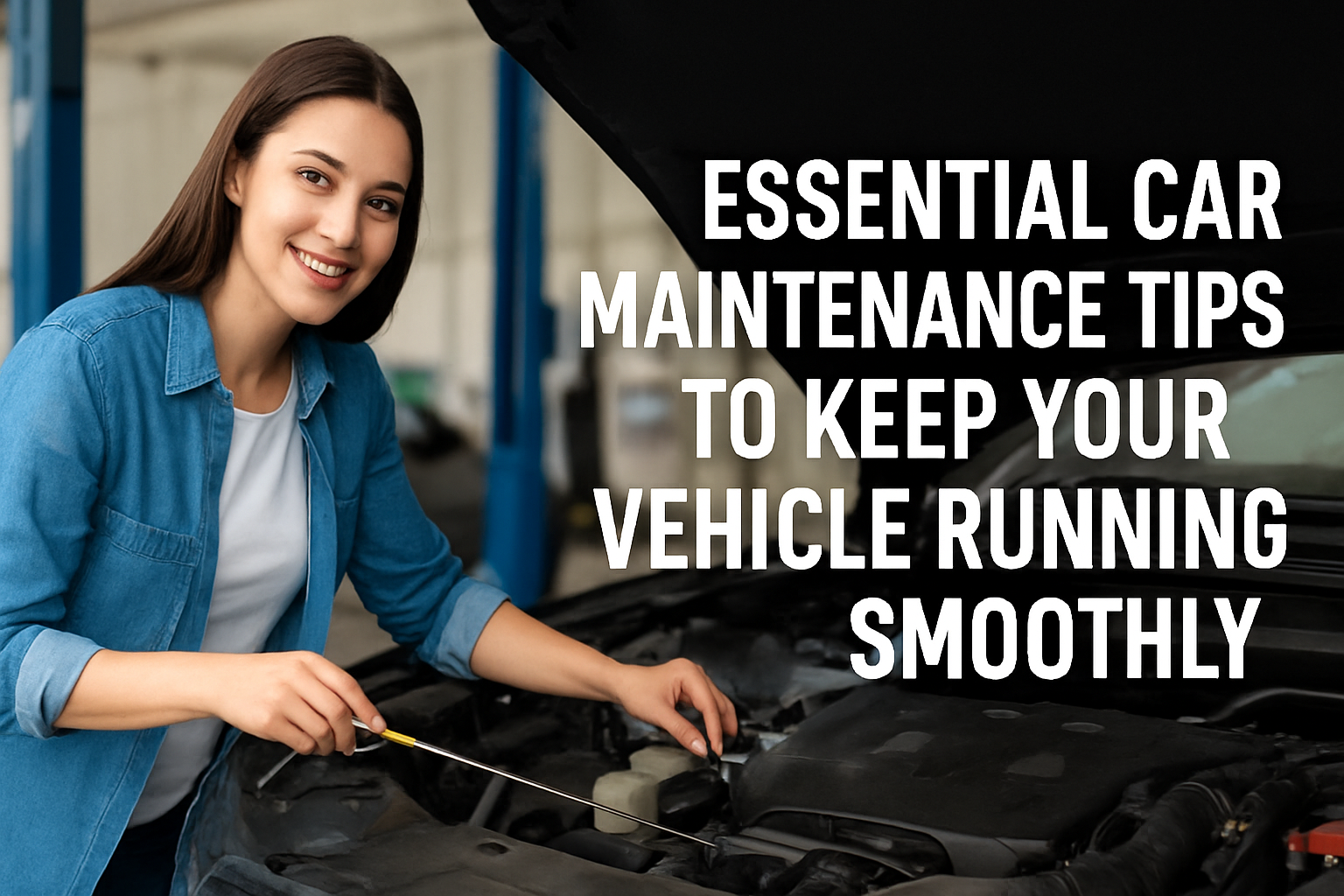
Essential Car Maintenance Tips to Keep Your Vehicle Running Smoothly
Owning a car is not just about enjoying the freedom of the open road—it also comes with the responsibility of keeping your vehicle in top condition. Regular maintenance ensures that your car runs smoothly, stays reliable, and avoids costly breakdowns. While modern cars are built with advanced technology, they still require consistent care to perform at their best.
In this article, we’ll cover essential car maintenance tips every driver should know. These tips will not only extend your vehicle’s lifespan but also improve safety, performance, and fuel efficiency.
1. Check and Change Engine Oil Regularly
One of the simplest yet most critical maintenance tasks is checking and changing your engine oil. Oil lubricates engine parts, reduces friction, and prevents overheating. Over time, oil breaks down and loses effectiveness, leading to engine damage if ignored.
- Check oil levels every month using the dipstick.
- Change oil according to the manufacturer’s recommendation (usually every 5,000–7,500 miles for modern cars).
- Always use the oil type specified in your owner’s manual.
Why it matters: Fresh oil ensures your engine runs smoothly and prevents premature wear.
2. Keep an Eye on Tire Health
Tires are your car’s only point of contact with the road, making them crucial for safety and performance. Worn or underinflated tires can lead to poor handling, reduced fuel efficiency, and even blowouts.
- Check tire pressure monthly with a reliable gauge and inflate to the recommended PSI.
- Inspect tread depth using the penny test—if Lincoln’s head is visible, it’s time for new tires.
- Rotate tires every 5,000–7,500 miles to promote even wear.
- Don’t forget the spare tire—make sure it’s properly inflated too.
Why it matters: Proper tire maintenance improves safety, extends tire life, and ensures better fuel economy.
3. Replace Air Filters
Your car’s engine and cabin air filters play an important role in performance and comfort.
- Engine air filter: Keeps dirt and debris from entering the engine. Replace it every 12,000–15,000 miles or as recommended.
- Cabin air filter: Cleans the air inside your car, filtering dust, pollen, and pollutants. Replace it yearly for fresh air and efficient HVAC operation.
Why it matters: Clean air filters improve engine performance, protect against damage, and make the driving experience more comfortable.
4. Maintain Fluid Levels
Your car relies on various fluids besides engine oil. Checking and topping them up regularly ensures smooth operation.
Key fluids to monitor include:
- Coolant/antifreeze – prevents overheating and protects the engine.
- Brake fluid – essential for safe stopping power.
- Transmission fluid – keeps gears shifting smoothly.
- Power steering fluid – ensures easy steering.
- Windshield washer fluid – maintains visibility.
Why it matters: Proper fluid levels prevent breakdowns, overheating, and expensive repairs.
5. Inspect Brakes Regularly
Your brakes are the most critical safety system in your vehicle. Ignoring brake maintenance can put you and others at serious risk.
- Listen for squeaking or grinding noises when braking.
- Watch for warning signs like a spongy brake pedal or longer stopping distances.
- Get your brakes inspected at least once a year by a professional.
Why it matters: Timely brake maintenance ensures reliable stopping power and prevents costly rotor or caliper damage.
6. Keep the Battery in Good Condition
A dead battery is one of the most common causes of breakdowns. Modern batteries typically last 3–5 years, but extreme weather and poor maintenance can shorten their lifespan.
- Inspect the battery terminals for corrosion and clean them if needed.
- Make sure the battery is securely mounted.
- Test the battery’s voltage annually, especially before winter.
Why it matters: A healthy battery ensures reliable starts and prevents being stranded.
7. Pay Attention to Warning Lights
Modern vehicles are equipped with dashboard warning lights that alert you to potential issues. Never ignore these signals.
- Check engine light could indicate anything from a loose gas cap to a serious engine problem.
- Oil pressure warning means your engine isn’t getting enough lubrication.
- Brake warning light signals potential brake failure.
Why it matters: Addressing warning lights promptly can prevent small issues from turning into major repairs.
8. Protect Your Car’s Exterior and Interior
Maintenance isn’t just mechanical—it also involves preserving your car’s appearance and comfort.
- Wash your car regularly to remove dirt, salt, and grime that cause rust.
- Wax the paint every few months to protect against sun and weather damage.
- Vacuum and clean the interior to keep it fresh and prevent wear on seats and carpets.
- Use sunshades or covers to protect against UV damage.
Why it matters: A well-kept car maintains its resale value and looks great for years.
9. Replace Wiper Blades and Check Lights
Clear visibility is crucial for safe driving, especially during rain or at night.
- Replace wiper blades every 6–12 months or when they streak.
- Check all lights (headlights, brake lights, indicators) regularly and replace burnt-out bulbs immediately.
Why it matters: Proper visibility helps prevent accidents and keeps you compliant with road safety laws.
10. Follow a Scheduled Service Plan
Every car comes with a manufacturer-recommended maintenance schedule. Following this guide ensures your vehicle gets professional inspections and timely replacements.
- Service intervals usually include oil changes, tire rotations, fluid flushes, and detailed inspections.
- Keeping service records helps with resale value and warranty claims.
Why it matters: A scheduled service plan ensures nothing is overlooked and keeps your car in optimal condition.
Bonus Tips for Long-Term Vehicle Health
- Drive responsibly – harsh braking and aggressive acceleration wear out components faster.
- Don’t overload your vehicle – excess weight strains the suspension, brakes, and tires.
- Store your car properly – use a garage or car cover to protect it from harsh weather.
- Listen to your car – unusual noises, vibrations, or smells often signal problems.
Final Thoughts
Taking care of your vehicle doesn’t have to be complicated. By following these essential car maintenance tips, you’ll keep your car running smoothly, extend its lifespan, and avoid costly breakdowns.
Remember, prevention is always cheaper than repair. A little time and effort spent on regular maintenance will reward you with peace of mind, improved safety, and a reliable car for years to come.
Whether you’re a seasoned driver or a new car owner, staying on top of maintenance is the key to enjoying your vehicle to the fullest.