How Artificial Intelligence Is Transforming Everyday Life
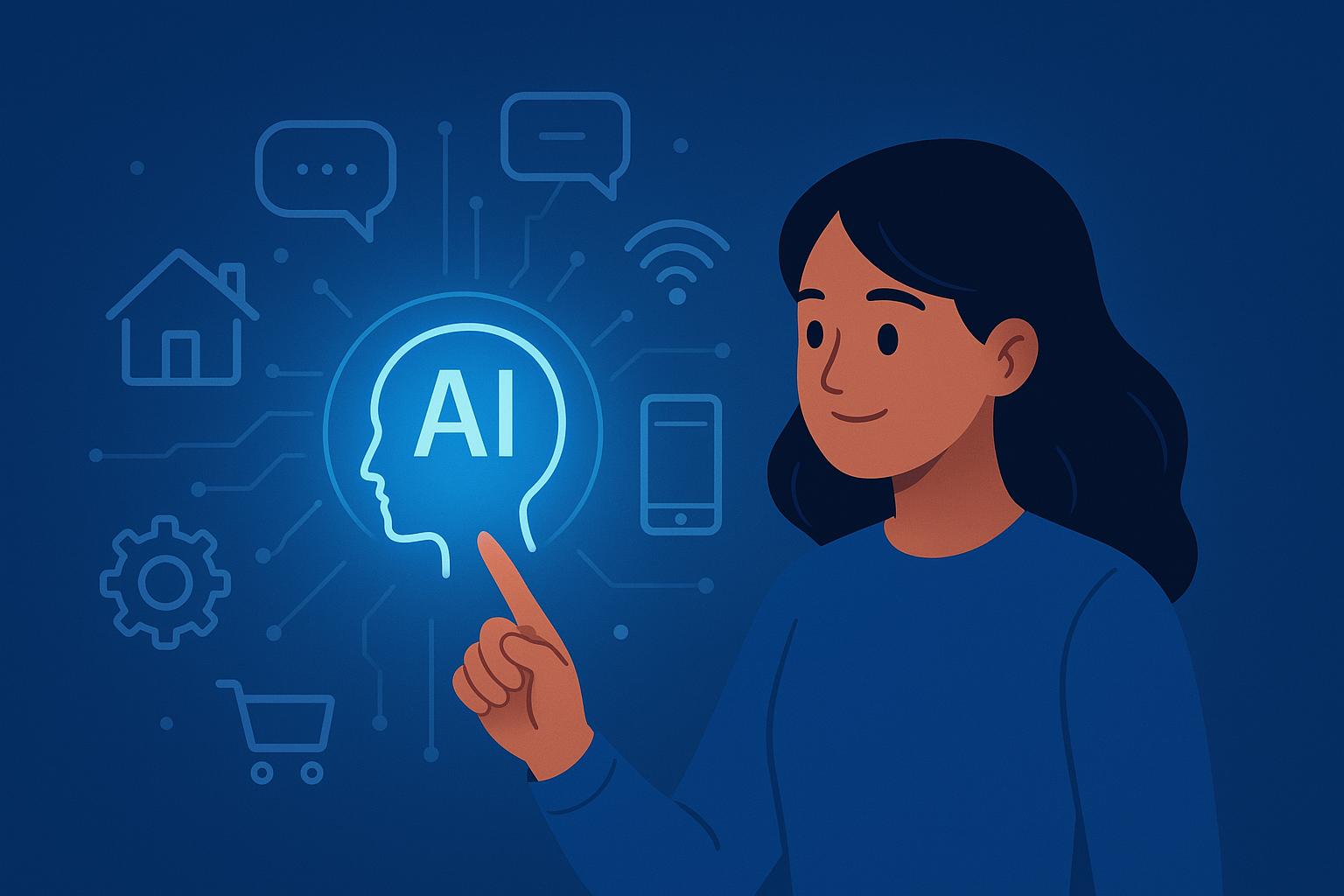
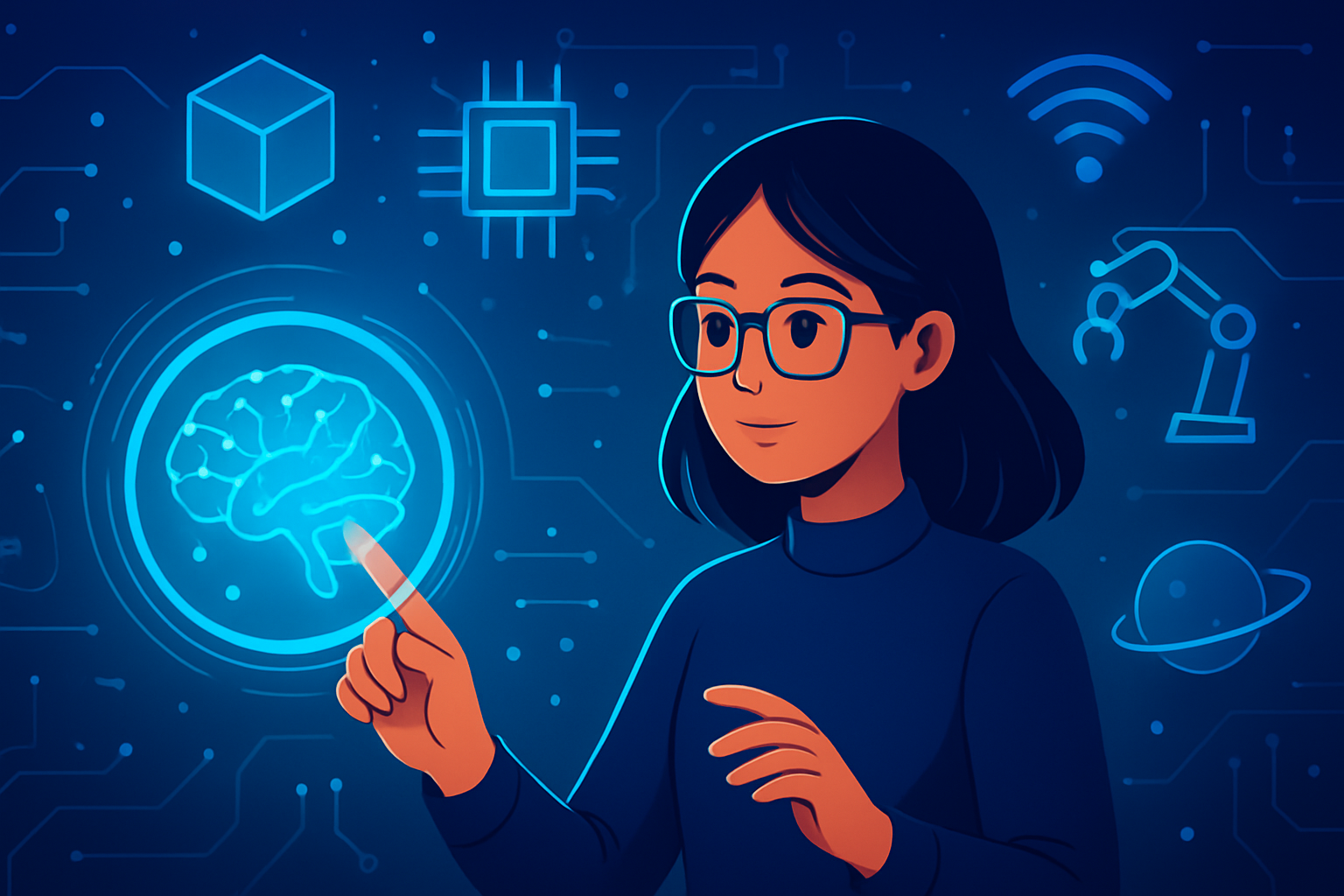
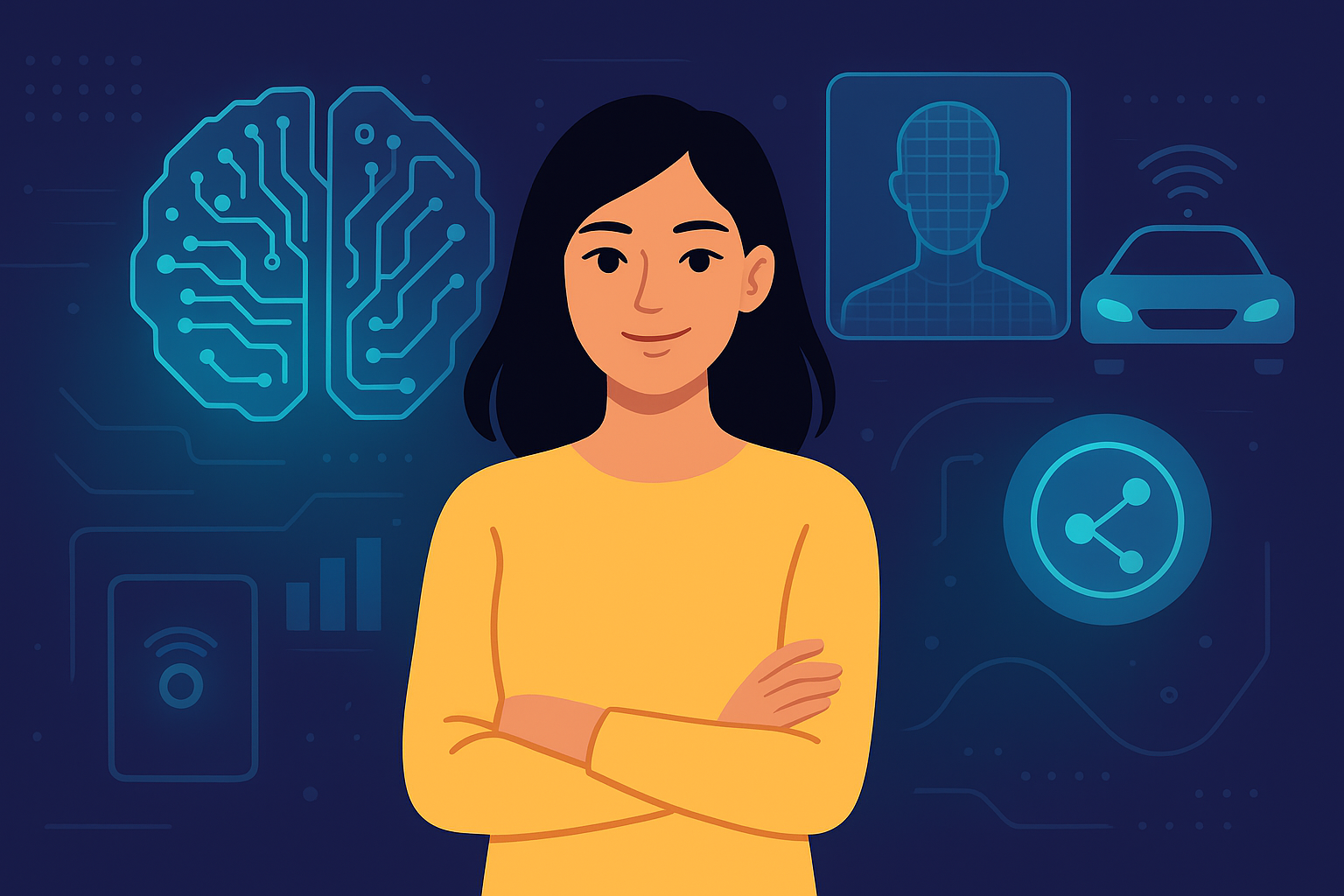
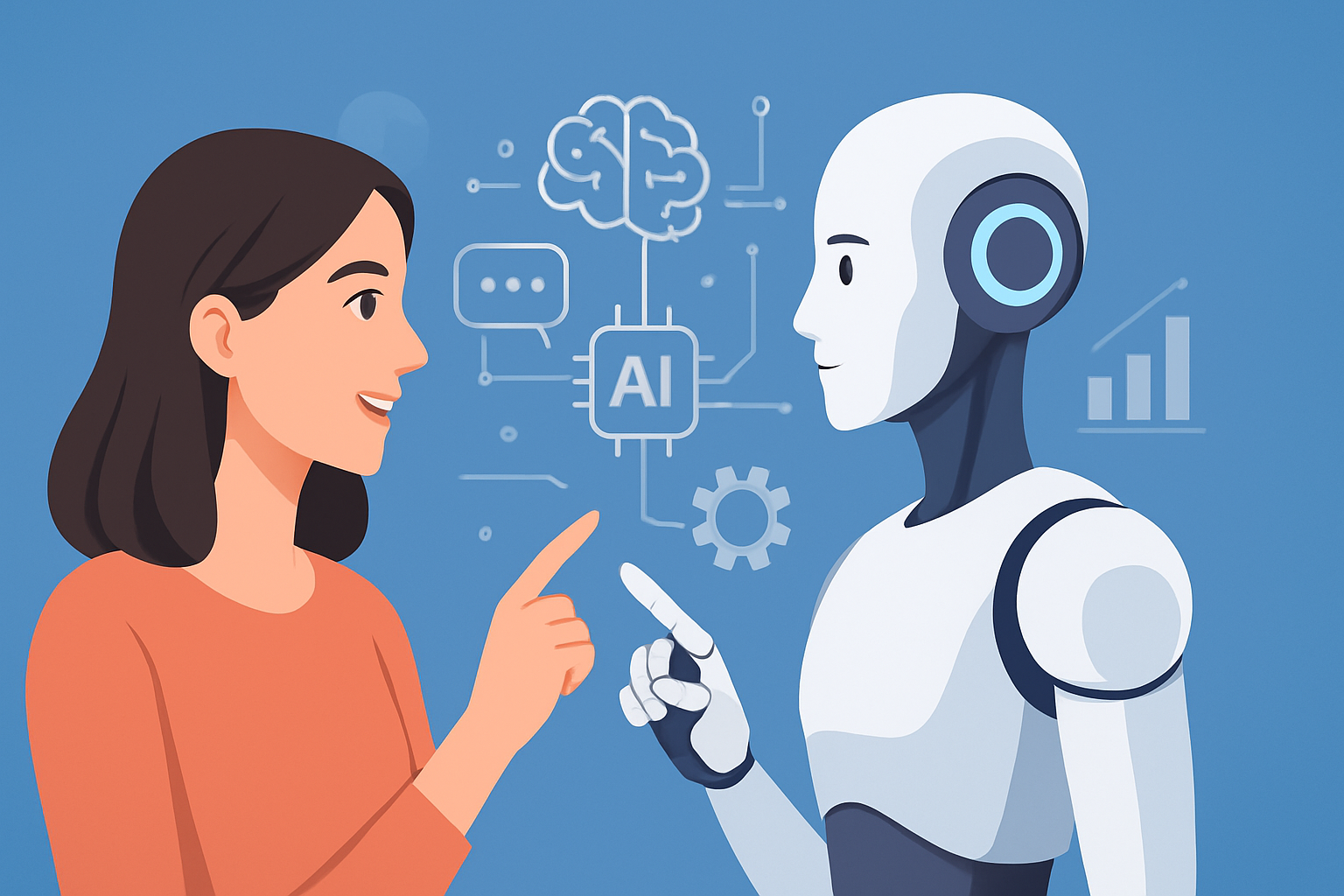
Artificial Intelligence (AI) is no longer just a buzzword confined to science fiction or high-tech laboratories. It has become an integral part of modern society, reshaping how we communicate, work, shop, travel, and even think. From virtual assistants to healthcare innovations, AI is transforming everyday life in ways that are both visible and invisible.
As we enter 2025, the influence of AI continues to expand, creating opportunities while also sparking debates about ethics, privacy, and the future of work. In this article, we will explore how AI is revolutionizing daily life across multiple sectors and what this means for the years ahead.
AI in Communication and Personal Assistance
One of the most visible impacts of AI is in the way we communicate. Digital assistants like Siri, Alexa, and Google Assistant use natural language processing to understand commands, answer questions, and even hold conversations. These tools make it easy to set reminders, control smart home devices, or search for information hands-free.
Chatbots are also becoming more advanced, offering instant customer service on websites, apps, and messaging platforms. Whether booking a flight, checking an order status, or troubleshooting a device, AI-powered chatbots save time while improving user experience.
By 2025, personal AI assistants will become even more intuitive, learning from user behavior to provide proactive suggestions, personalized recommendations, and seamless integration across devices.
AI in Healthcare
Healthcare is one of the industries experiencing the most dramatic transformation thanks to AI. Doctors and researchers are using machine learning algorithms to diagnose diseases earlier, predict patient risks, and recommend treatments with greater accuracy.
- Diagnostics: AI-powered tools can analyze medical images like X-rays, CT scans, and MRIs with remarkable precision, sometimes outperforming human specialists.
- Drug discovery: AI accelerates the process of identifying potential drug candidates, saving years of research and billions in costs.
- Virtual health assistants: Patients now have access to AI-driven apps that provide health monitoring, medication reminders, and mental health support.
For everyday people, AI means faster diagnoses, personalized treatment plans, and improved access to medical care—especially in remote or underserved areas.
AI in Education and Learning
Education has entered a new era where AI plays a key role in personalized learning. Traditional “one-size-fits-all” teaching methods are giving way to adaptive learning systems powered by AI.
- Personalized learning paths: AI analyzes student performance and creates customized lessons that match individual learning styles and speeds.
- Intelligent tutoring systems: Virtual tutors provide instant feedback, explanations, and practice exercises.
- Administrative automation: Schools and universities use AI to handle grading, scheduling, and admissions, reducing paperwork for educators.
For students, this means more engaging and effective learning experiences. By 2025, AI will make education more inclusive, bridging gaps for students with disabilities or language barriers.
AI in Transportation
AI is redefining how we move from one place to another. Self-driving cars, once thought of as futuristic, are already being tested on public roads. AI systems process data from sensors, cameras, and GPS to make real-time driving decisions, reducing human error and potentially saving lives.
Public transportation systems are also integrating AI to optimize routes, predict delays, and enhance safety. Ride-hailing apps like Uber and Lyft rely on AI to match drivers with passengers and calculate efficient routes.
For everyday commuters, AI means safer roads, shorter travel times, and more sustainable transportation options. By 2025, we can expect broader adoption of autonomous vehicles and AI-driven traffic management in smart cities.
AI in Shopping and Retail
Shopping has become smarter and more personalized thanks to AI. E-commerce platforms like Amazon use recommendation engines powered by AI to suggest products based on browsing and purchasing history.
- Virtual shopping assistants: Customers can chat with AI bots that guide them through purchases.
- Visual search: AI allows shoppers to upload a picture and instantly find similar products online.
- In-store AI: Physical retailers use AI-powered cameras and sensors to track customer behavior, manage inventory, and reduce checkout times through automated systems.
AI not only makes shopping more convenient but also enhances customer satisfaction by predicting needs and offering personalized experiences.
AI in Finance and Banking
AI is transforming how people handle money. From mobile banking apps to fraud detection systems, AI ensures financial transactions are more secure and efficient.
- Fraud prevention: AI analyzes patterns to detect suspicious activity instantly.
- Robo-advisors: Automated financial advisors provide investment guidance tailored to individual goals and risk tolerance.
- Customer service: AI chatbots help customers check balances, transfer funds, and resolve issues without human intervention.
For the average consumer, this translates to safer banking, smarter investment choices, and easier access to financial services.
AI in Entertainment and Media
Entertainment is another area where AI is deeply integrated into daily life. Streaming platforms like Netflix, Spotify, and YouTube use AI algorithms to recommend movies, music, and videos based on user preferences.
- Content creation: AI is assisting in generating music, art, and even scripts for films.
- Gaming: AI enhances gameplay by creating smarter opponents and more immersive experiences.
- Personalized experiences: Media companies use AI to tailor news, ads, and content delivery for specific audiences.
For consumers, AI means endless entertainment options curated to individual tastes, making leisure time more enjoyable and efficient.
AI in Smart Homes
Smart homes are becoming increasingly common, and AI is at the center of this transformation. AI-powered devices and systems enhance comfort, security, and energy efficiency.
- Smart thermostats: AI learns user habits to automatically adjust temperatures and save energy.
- Security systems: AI-powered cameras detect unusual activity and send real-time alerts.
- Voice-controlled devices: AI assistants integrate with appliances, lighting, and entertainment systems for seamless control.
This level of automation makes daily tasks easier while contributing to sustainable living through optimized energy use.
AI in Work and Productivity
The workplace is evolving rapidly with AI-driven tools improving efficiency and decision-making. From startups to multinational corporations, AI is reshaping how employees collaborate and perform tasks.
- Automation: Routine tasks like data entry, scheduling, and reporting are increasingly handled by AI.
- Decision support: AI analyzes massive datasets to provide insights for better business strategies.
- Collaboration tools: AI enhances remote work by improving video conferencing, language translation, and team management software.
For workers, this means less time spent on repetitive tasks and more focus on creativity, problem-solving, and innovation.
Ethical and Social Implications of AI
While AI brings many benefits, it also raises important questions about ethics and society. Concerns about data privacy, algorithmic bias, and job displacement are growing as AI becomes more pervasive.
- Privacy: AI systems collect vast amounts of personal data, raising concerns about misuse.
- Bias: AI algorithms can reflect or even amplify societal biases if not properly designed.
- Workforce impact: Automation may replace certain jobs, requiring workers to adapt by learning new skills.
Addressing these issues responsibly will ensure that AI remains a tool for positive transformation rather than division.
Conclusion
Artificial Intelligence is no longer a distant dream—it is woven into the fabric of everyday life. From healthcare and education to shopping and transportation, AI is making tasks easier, decisions smarter, and experiences more personalized.
As we look to the future, the challenge lies in balancing innovation with responsibility. By embracing AI thoughtfully, society can unlock its full potential while ensuring fairness, transparency, and inclusivity.
AI is not just transforming everyday life—it is shaping the future of humanity itself.