Top 10 Car Maintenance Tips to Extend Your Vehicle’s Lifespan
Owning a car is not just about enjoying the convenience of driving from point A to point B. It’s also about taking care of an investment that can last many years if properly maintained. Regular car maintenance ensures better performance, fewer breakdowns, improved fuel efficiency, and—most importantly—a longer lifespan for your vehicle.
Whether you own a brand-new car or a used one, adopting smart maintenance habits can save you from expensive repairs down the road. In this article, we’ll explore the top 10 car maintenance tips to extend your vehicle’s lifespan and keep it running smoothly for years to come.
1. Follow the Recommended Service Schedule
Every car comes with an owner’s manual, which includes a detailed service schedule. This schedule outlines when you should perform oil changes, replace filters, check brakes, and more. Following these guidelines is crucial for keeping your car in top shape.
Many drivers delay routine servicing, thinking it saves money. However, skipping scheduled maintenance often leads to bigger problems, such as engine damage or transmission issues, which cost far more to repair. Sticking to the service schedule is one of the simplest ways to extend your car’s life.
2. Change the Engine Oil Regularly
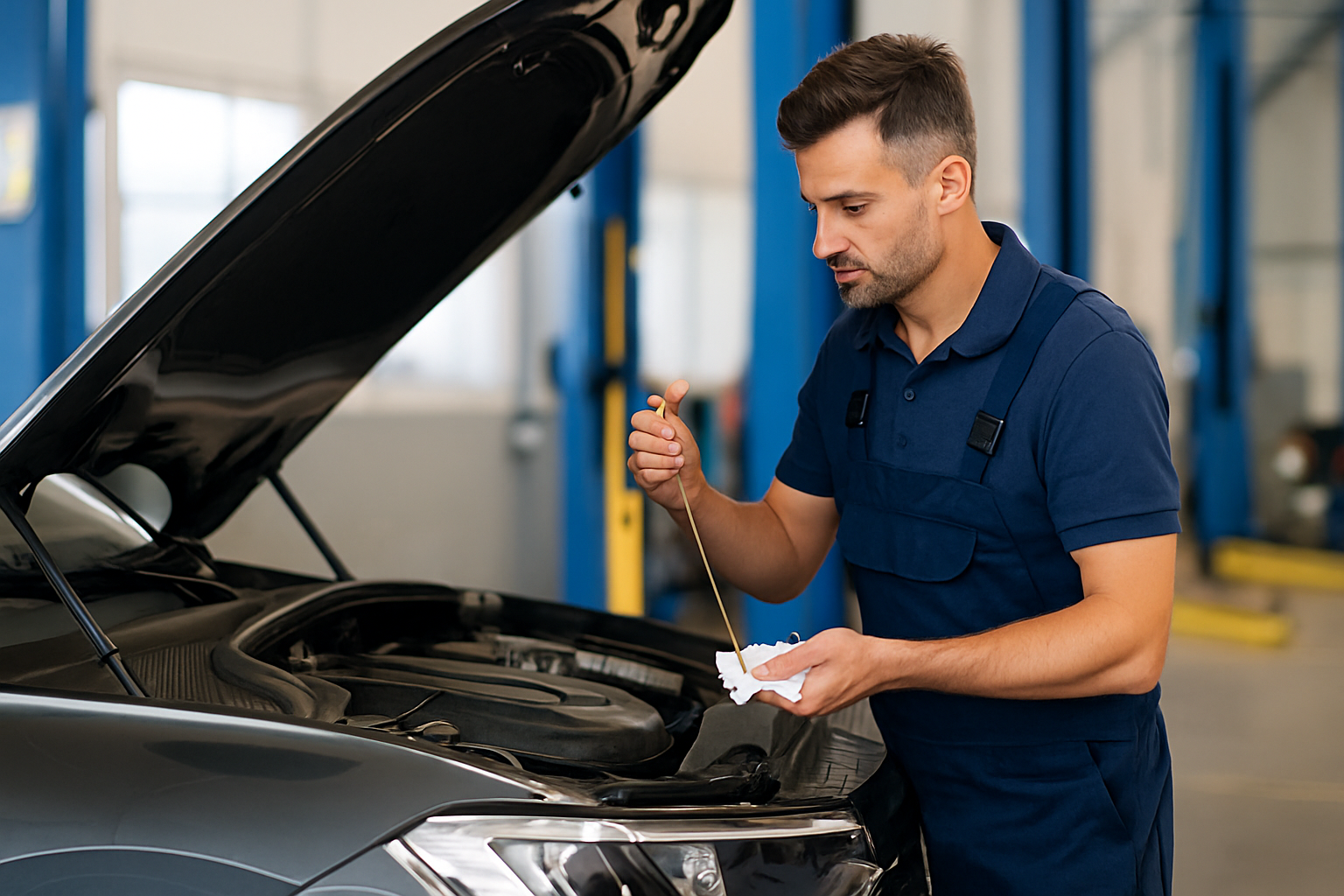
Engine oil is the lifeblood of your car. It lubricates the moving parts of the engine, reduces friction, and prevents overheating. Over time, oil gets dirty and loses its effectiveness, which can lead to engine wear and tear.
Most experts recommend changing the oil every 5,000 to 7,000 miles, depending on your driving habits and the type of oil used. Always use the oil grade recommended by your manufacturer for the best results. Regular oil changes are an inexpensive way to keep your engine healthy for years.
3. Keep the Tires in Good Condition
Tires are the only point of contact between your car and the road, so their condition directly affects safety, performance, and longevity. Properly maintained tires also help reduce fuel consumption.
Here’s how to care for your tires:
- Check tire pressure monthly and adjust according to the manufacturer’s recommendations.
- Rotate your tires every 5,000 to 8,000 miles to promote even wear.
- Inspect for damage or uneven wear that may signal alignment issues.
- Replace tires when tread depth is too low.
Healthy tires not only improve handling but also prevent costly suspension and alignment problems.
4. Pay Attention to the Braking System
Your brakes are one of the most critical safety components of your car. Worn-out brakes not only endanger your life but can also damage rotors and other parts, leading to costly repairs.
Signs of brake issues include squealing noises, a soft brake pedal, or vibrations when braking. To maintain your braking system:
- Check brake fluid regularly.
- Replace brake pads before they wear completely.
- Have your braking system inspected during routine servicing.
Taking care of your brakes ensures safe driving and extends the overall lifespan of your vehicle.
5. Replace Filters on Time
Your car has multiple filters, such as the air filter, fuel filter, cabin filter, and oil filter. Each one plays a role in keeping contaminants out and ensuring efficient performance.
- Air filter: Prevents dust and debris from entering the engine.
- Fuel filter: Ensures clean fuel reaches the engine.
- Cabin filter: Keeps the air inside your car clean and breathable.
- Oil filter: Removes impurities from the engine oil.
Replacing filters at recommended intervals prevents damage to your engine and keeps your vehicle running smoothly.
6. Keep Fluids at Proper Levels
Besides engine oil, your car relies on several other fluids to function properly, including transmission fluid, coolant, brake fluid, and power steering fluid. Neglecting fluid levels can cause overheating, transmission failure, or even total engine breakdown.
Make it a habit to check fluid levels regularly and top them up if needed. Also, don’t forget to flush and replace fluids according to the manufacturer’s recommendations. This simple habit can add years to your car’s lifespan.
7. Protect the Battery
A dead battery is one of the most common reasons for unexpected breakdowns. To avoid this inconvenience, take care of your car’s battery.
- Clean battery terminals to prevent corrosion.
- Ensure the battery is securely mounted.
- Check the voltage regularly.
- Replace the battery every 3–5 years, or sooner if you notice weak performance.
If you don’t drive your car often, consider using a trickle charger to keep the battery charged.
8. Wash and Wax Your Car Regularly
Car maintenance isn’t just about the engine—it’s also about protecting the exterior. Dirt, dust, road salt, and bird droppings can damage your car’s paint and cause rust over time.
Washing your car at least twice a month helps maintain its appearance and prevents corrosion. Adding a coat of wax every few months provides extra protection against the elements. A clean and well-maintained exterior not only extends your car’s lifespan but also helps retain its resale value.
9. Drive Smoothly and Avoid Harsh Habits
The way you drive has a direct impact on your vehicle’s longevity. Aggressive driving habits—such as sudden acceleration, hard braking, and speeding—put unnecessary stress on the engine, brakes, and suspension.
Practicing smooth driving not only saves fuel but also reduces wear and tear. Avoid carrying excessive weight in your car, as it strains the engine and suspension system. Simple adjustments to your driving style can make a significant difference in how long your car lasts.
10. Don’t Ignore Warning Lights
Modern cars come with advanced sensors and warning lights to alert you of potential problems. Ignoring these warnings can turn minor issues into major, expensive repairs.
For example:
- The check engine light could signal anything from a loose gas cap to a serious engine problem.
- The oil pressure light means your engine isn’t getting proper lubrication.
- The battery light indicates charging system issues.
Whenever a warning light comes on, have your car inspected as soon as possible. Quick action can prevent costly damage and extend the lifespan of your vehicle.
Final Thoughts
Your car is one of your most valuable assets, and with the right care, it can serve you reliably for many years. By following these 10 essential car maintenance tips, you’ll not only extend your vehicle’s lifespan but also save money on repairs, improve fuel efficiency, and enjoy a smoother driving experience.
To recap:
- Stick to your service schedule.
- Change oil and filters regularly.
- Maintain your tires, brakes, and fluids.
- Protect the battery and exterior.
- Drive responsibly and heed warning signs.
Small, consistent efforts in maintaining your car go a long way in ensuring that it stays road-ready for the long haul. Treat your vehicle well, and it will return the favor with years of dependable service.