How Technology is Transforming Everyday Life in 2025
Technology has always been a driving force in shaping human civilization, but in 2025, its impact on our daily lives has reached unprecedented levels. From the way we work and learn to how we communicate, shop, and even manage our health, technology is transforming everyday experiences at a pace faster than most could have imagined just a decade ago.
This article explores the key ways technology is transforming everyday life in 2025, highlighting innovations that are enhancing convenience, boosting productivity, and redefining the human experience.
1. Smarter Homes with AI Integration
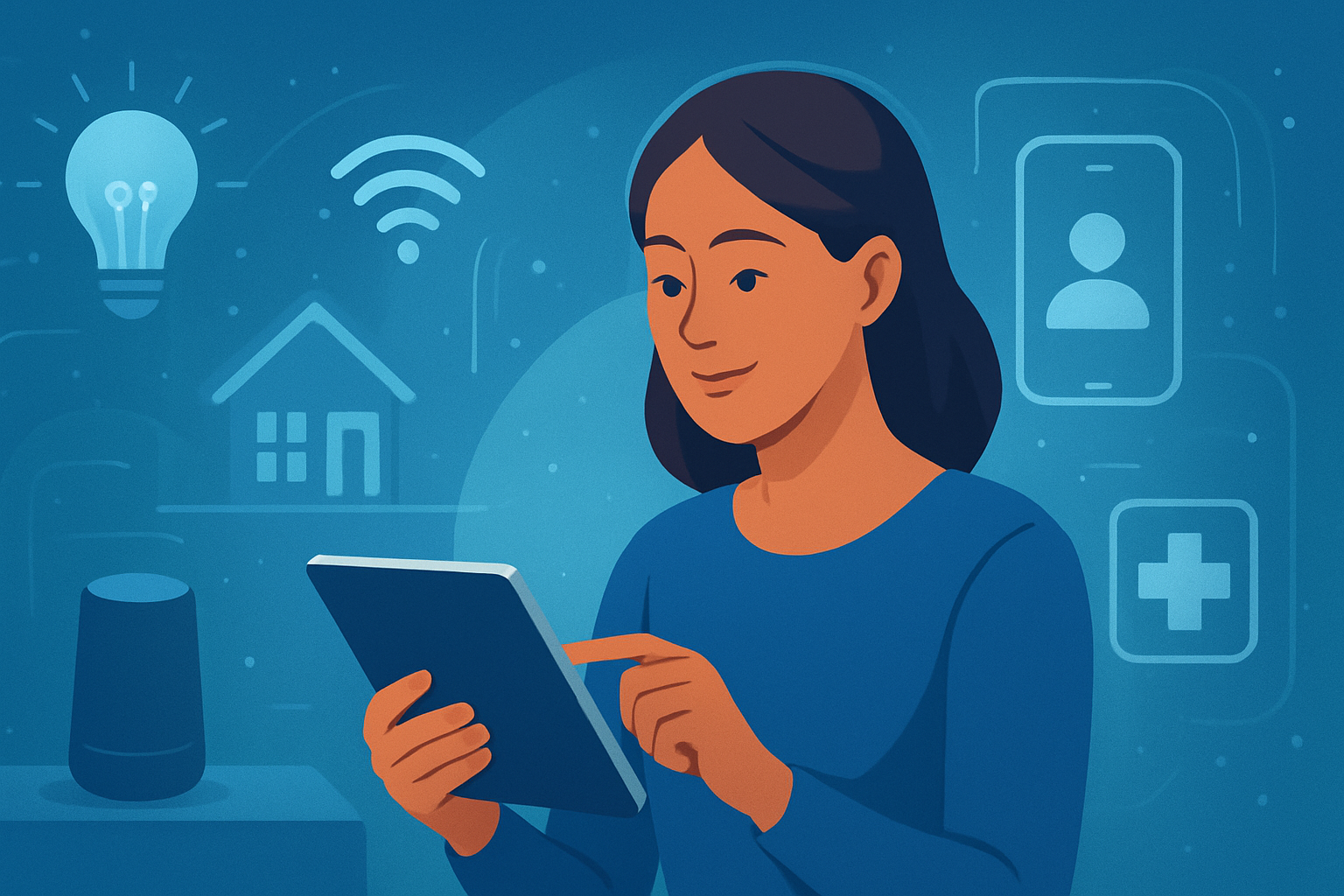
In 2025, smart homes have become mainstream. Voice assistants are now more intuitive, capable of managing entire households seamlessly. AI-powered systems regulate energy consumption, adjust room temperatures, manage security, and even anticipate household needs.
For example, refrigerators can track food inventory, suggest recipes, and order groceries automatically. Smart mirrors provide personalized health updates, while cleaning robots work quietly in the background.
Impact on daily life:
This integration saves time, reduces energy bills, and enhances safety, making homes more comfortable and eco-friendly.
2. Personalized Healthcare and Telemedicine
Healthcare in 2025 is far more accessible and data-driven. Wearable devices continuously monitor vital signs like heart rate, blood pressure, and glucose levels. These devices sync with AI-driven apps that provide real-time health insights and preventive recommendations.
Telemedicine has also evolved, allowing patients to connect with doctors instantly through secure video consultations. Virtual health assistants, powered by AI, are capable of diagnosing minor conditions and suggesting treatments without the need for physical visits.
Impact on daily life:
People enjoy faster access to healthcare, reduced hospital visits, and greater control over their personal well-being. Preventive care has become the norm, reducing the burden on healthcare systems.
3. Work from Anywhere with Advanced Connectivity
The workplace has undergone a massive transformation since the global rise of remote work. In 2025, 5G and early 6G connectivity ensure seamless video conferencing, faster file sharing, and real-time collaboration across continents.
Virtual reality (VR) and augmented reality (AR) are now essential tools for businesses. Virtual offices allow employees to interact with digital avatars, attend meetings in lifelike 3D environments, and collaborate on projects without being physically present.
Impact on daily life:
Commuting stress has decreased, productivity has improved, and people enjoy better work-life balance by working from home or any location they choose.
4. Digital Payments and the Rise of Cashless Societies
By 2025, carrying physical cash is increasingly rare. Digital wallets, mobile banking, and blockchain-based currencies dominate financial transactions. Contactless payments are standard in stores, public transport, and online shopping.
Cryptocurrencies and central bank digital currencies (CBDCs) have gained widespread acceptance, offering secure, fast, and transparent transactions.
Impact on daily life:
Transactions are faster, safer, and more convenient. Financial inclusion has expanded, giving more people around the world access to secure banking services.
5. Education Powered by Technology
The classroom of 2025 looks very different from the past. Digital learning platforms and immersive technologies like VR and AR create interactive, personalized learning environments. Students can explore historical sites in virtual reality, conduct science experiments through simulations, and learn languages with AI tutors.
AI-powered analytics help teachers understand individual student needs, offering customized learning paths to boost engagement and outcomes.
Impact on daily life:
Education has become more accessible, flexible, and engaging. Students from different parts of the world can collaborate online, breaking geographical barriers.
6. Entertainment in the Age of Immersion
The entertainment industry in 2025 is dominated by immersive experiences. VR and AR headsets allow people to step inside their favorite games, attend virtual concerts, or explore 3D movie worlds. Streaming platforms now use AI to create hyper-personalized content recommendations.
Additionally, AI-generated music, films, and digital art are giving rise to new creative industries, making entertainment more diverse and accessible.
Impact on daily life:
People enjoy richer, more interactive entertainment experiences. Traditional TV and cinema have evolved, giving audiences control over how they consume content.
7. Sustainable Transportation and Smart Cities
Transportation in 2025 is becoming greener and smarter. Electric vehicles (EVs) dominate roads, supported by vast charging infrastructure. Autonomous cars are increasingly common, making commuting safer and more efficient.
Smart cities leverage IoT sensors to optimize traffic flow, reduce pollution, and enhance public safety. Drones are being used for deliveries, reducing congestion and providing faster access to goods.
Impact on daily life:
Daily commutes are safer and more efficient. With cleaner air and better public infrastructure, people enjoy healthier urban environments.
8. Shopping and Retail Reinvented
The retail industry has transformed into a blend of physical and digital experiences. Augmented reality allows shoppers to try on clothes virtually or visualize how furniture will look in their homes before purchasing.
AI-driven algorithms personalize online shopping experiences by predicting preferences and suggesting products. Meanwhile, drone deliveries and automated warehouses ensure faster order fulfillment.
Impact on daily life:
Shopping has become more convenient, personalized, and efficient, saving people time and offering more choices at their fingertips.
9. Enhanced Cybersecurity and Digital Privacy
With increasing reliance on digital platforms, cybersecurity has become a top priority. In 2025, AI-driven security systems detect and neutralize threats instantly. Biometric authentication, such as facial recognition and voice ID, is standard for secure access.
Blockchain technology ensures transparency in online transactions, while decentralized systems give users greater control over their digital identities.
Impact on daily life:
People feel more secure while conducting online transactions, storing personal data, or interacting on digital platforms. Privacy is more protected, reducing the risk of fraud and cyberattacks.
10. Biotechnology and Everyday Health Enhancements
Beyond healthcare, biotechnology is influencing diet, fitness, and lifestyle. Lab-grown meat and plant-based alternatives are widely available, supporting healthier and more sustainable diets.
Genetic testing has become affordable and common, allowing individuals to receive personalized health plans tailored to their DNA. Biotechnology also contributes to new fitness innovations, such as bio-sensors that optimize exercise routines.
Impact on daily life:
Healthier diets, personalized wellness plans, and sustainable food sources are now within reach, improving overall quality of life.
Conclusion
Technology in 2025 is no longer just a tool—it has become an inseparable part of daily life. From AI-driven homes and virtual classrooms to sustainable transportation and advanced healthcare, innovation is enhancing convenience, security, and quality of life across the globe.
While these advancements bring immense opportunities, they also highlight the need for responsible use, ethical considerations, and digital literacy. As we continue to embrace technology, one thing is certain: it will keep transforming everyday life in ways we can’t yet fully imagine.
The future is not distant—it’s already here in 2025, and it’s powered by technology.