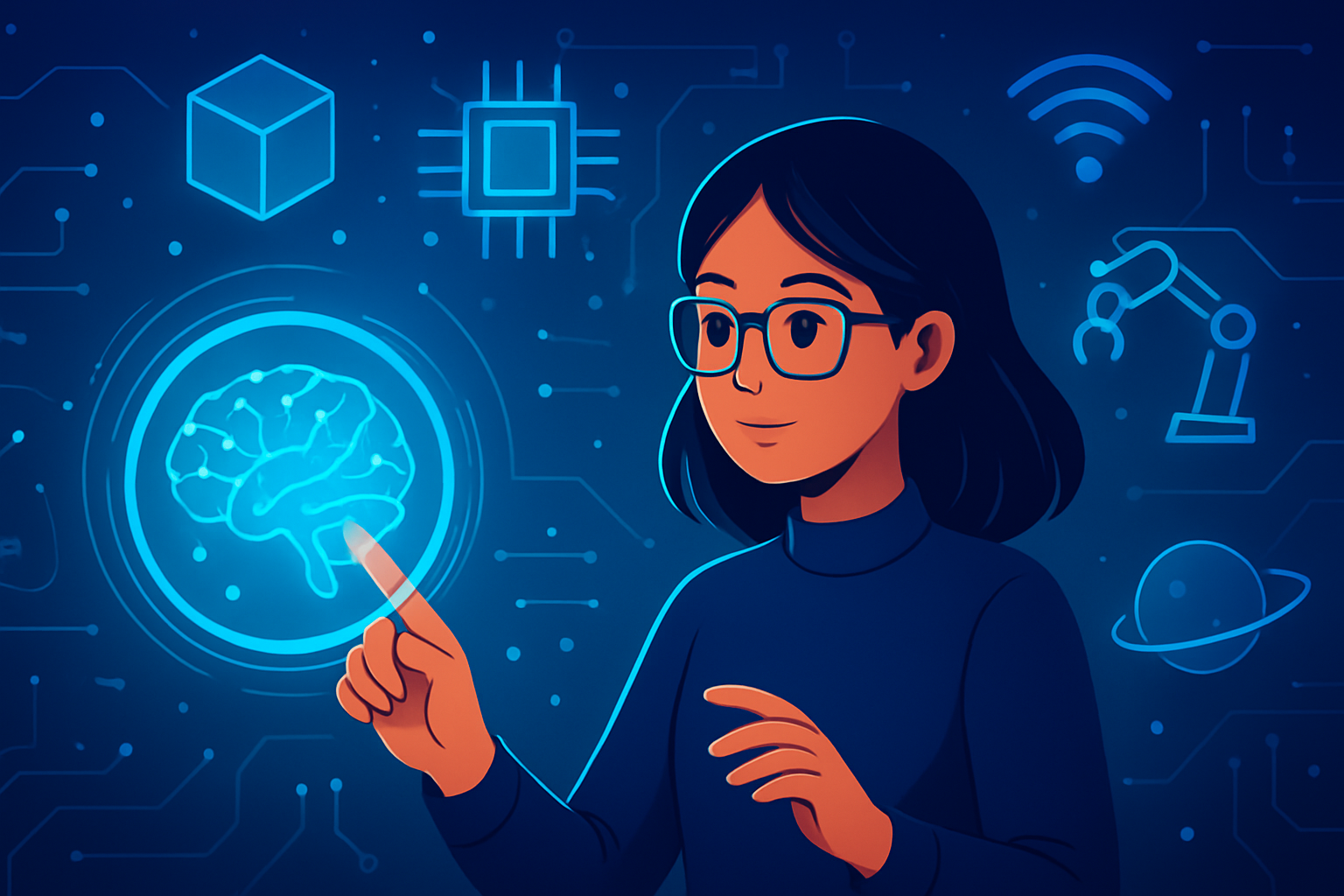
Top 10 Emerging Technologies Shaping the Future of Innovation
Technology has always been the driving force behind human progress. From the invention of the wheel to the rise of the internet, each breakthrough has reshaped how we live, work, and communicate. Today, we are living in an era where innovation is accelerating faster than ever before. Every year, new technologies emerge with the potential to revolutionize industries, enhance productivity, and improve quality of life.
In this article, we will explore the top 10 emerging technologies that are shaping the future of innovation. These advancements are not only transforming businesses but also influencing society, healthcare, education, and even the environment.
1. Artificial Intelligence (AI) and Machine Learning
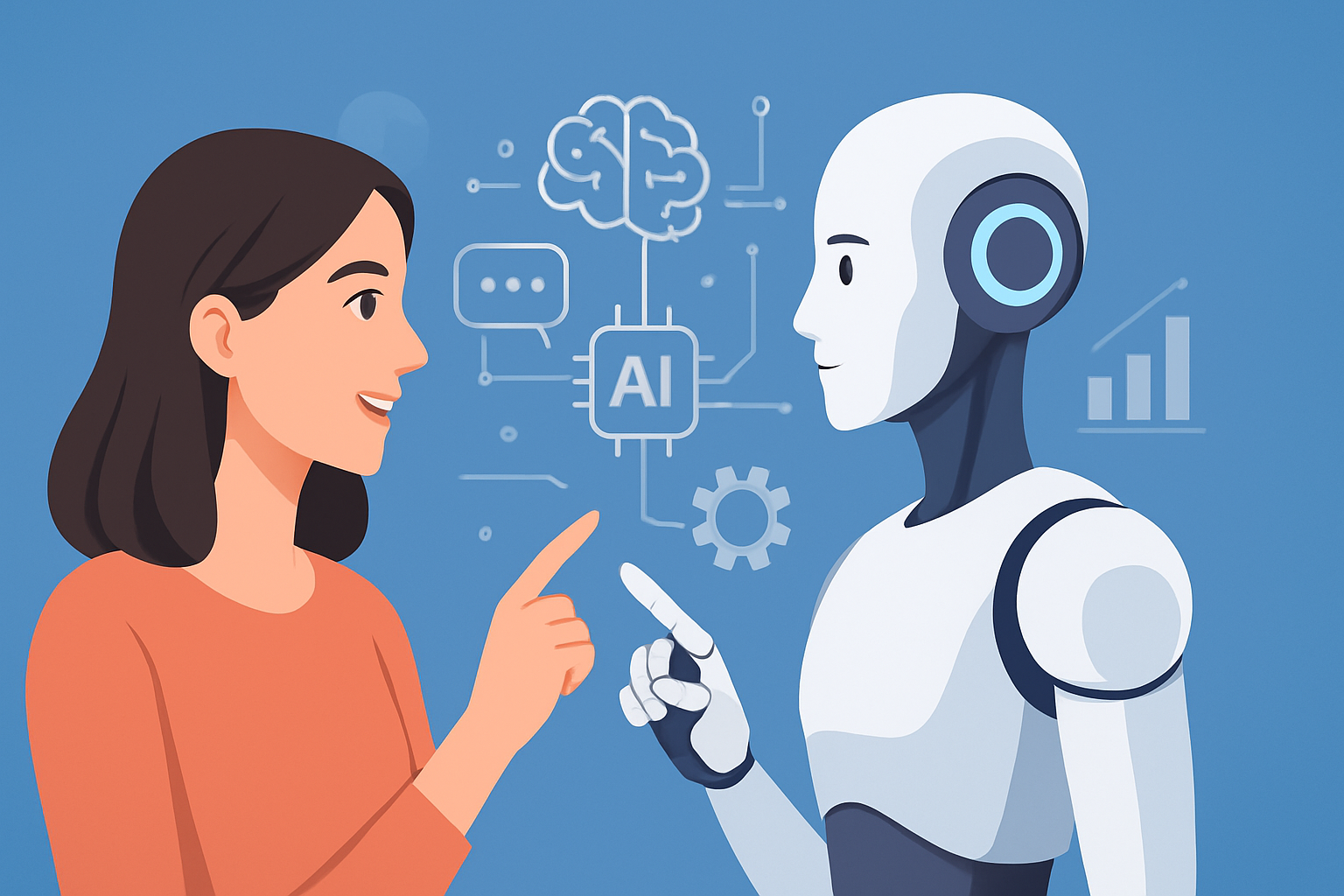
Artificial Intelligence (AI) is no longer just a futuristic concept—it’s already a part of our everyday lives. From voice assistants like Siri and Alexa to predictive algorithms in healthcare and finance, AI is powering smarter decision-making.
Machine Learning (ML), a branch of AI, allows systems to learn and adapt without explicit programming. Businesses use AI to personalize customer experiences, detect fraud, and improve efficiency. In healthcare, AI is assisting doctors in diagnosing diseases faster and more accurately.
Future Impact:
AI will continue to evolve into Generative AI models, creating human-like content, designs, and even software code. Its integration into robotics, education, and smart cities will redefine industries globally.
2. Internet of Things (IoT)
The Internet of Things (IoT) refers to the network of interconnected devices that communicate with each other via the internet. Think of smart homes where lights, thermostats, and appliances adjust automatically, or wearable devices that track health data in real time.
IoT is also revolutionizing industries like agriculture (smart irrigation systems), logistics (real-time shipment tracking), and manufacturing (predictive maintenance of machinery).
Future Impact:
With the rollout of 5G technology, IoT devices will become even faster and more reliable. This means smarter cities, improved healthcare monitoring, and more efficient energy consumption.
3. 5G Connectivity
5G is the next generation of mobile internet, offering ultra-fast speed, low latency, and massive connectivity. Unlike its predecessors, 5G isn’t just about faster downloads—it’s about enabling entirely new technologies.
Applications include self-driving cars that need instant communication, remote surgeries where doctors operate through robotic systems, and immersive virtual experiences with zero lag.
Future Impact:
By 2030, 5G will connect billions of devices seamlessly, forming the backbone for IoT, autonomous vehicles, and smart cities. It’s not just a faster internet—it’s the infrastructure for the future.
4. Blockchain Technology
When people think of blockchain, cryptocurrencies like Bitcoin often come to mind. But blockchain is much more than digital money—it’s a secure, decentralized ledger system that can be applied across multiple industries.
Blockchain enhances transparency, reduces fraud, and ensures secure data sharing. It’s being used in supply chain management, voting systems, digital identity verification, and even healthcare recordkeeping.
Future Impact:
As businesses seek more secure and transparent solutions, blockchain will transform finance, logistics, and cybersecurity, creating a more trusted digital world.
5. Quantum Computing
Quantum computing is one of the most complex yet promising emerging technologies. Unlike traditional computers that use bits (0 or 1), quantum computers use qubits, which can exist in multiple states simultaneously. This allows them to solve problems that are impossible for classical computers.
Tech giants like Google, IBM, and Microsoft are already experimenting with quantum computers. Potential applications include drug discovery, climate modeling, cryptography, and solving complex optimization problems in seconds.
Future Impact:
Quantum computing could revolutionize industries such as medicine, cybersecurity, and financial modeling by offering unparalleled processing power.
6. Augmented Reality (AR) and Virtual Reality (VR)
AR and VR are changing how we experience digital content. While VR immerses users in a fully virtual environment, AR overlays digital information onto the real world.
These technologies are used in gaming, education, real estate, and even retail. For example, AR allows customers to try furniture in their homes virtually before buying, while VR provides immersive training simulations for pilots and doctors.
Future Impact:
With Metaverse development, AR and VR will play a huge role in creating interactive digital spaces for work, socializing, and entertainment.
7. Biotechnology and Genetic Engineering
Biotechnology is advancing rapidly, offering new solutions for medicine, agriculture, and environmental protection. From CRISPR gene-editing technology to lab-grown meat, biotech innovations are reshaping life sciences.
Gene editing can potentially cure genetic disorders, improve crop resistance, and even slow aging. Lab-grown meat and plant-based alternatives are also making food production more sustainable.
Future Impact:
Biotechnology will continue to drive personalized medicine, sustainable agriculture, and environmental conservation, improving health and food security worldwide.
8. Robotics and Automation
Robotics and automation are becoming an integral part of industries and daily life. From robotic vacuum cleaners in homes to advanced robots in factories, automation is boosting efficiency and reducing costs.
Industries such as manufacturing, healthcare, and logistics are adopting robots for precision, speed, and safety. Collaborative robots (cobots) are designed to work alongside humans, enhancing productivity.
Future Impact:
Robotics will reshape the workforce. While some jobs may be replaced, new opportunities in robot programming, maintenance, and AI integration will emerge.
9. Renewable Energy Technologies
With climate change being one of the biggest challenges of our time, renewable energy technologies are gaining momentum. Solar, wind, hydropower, and green hydrogen are becoming cost-effective and widely adopted.
Smart grids and energy storage systems are improving the reliability of renewable sources. Innovations in battery technology are also making electric vehicles more efficient and affordable.
Future Impact:
The shift toward renewable energy will accelerate the transition to a sustainable economy, reducing dependence on fossil fuels and lowering carbon emissions.
10. Cybersecurity and Privacy Enhancements
As technology advances, so do cyber threats. With billions of devices connected online, cybersecurity has become more critical than ever. Emerging solutions like AI-driven threat detection, biometric authentication, and zero-trust security models are enhancing digital safety.
Governments and businesses are investing heavily in cybersecurity to protect data, financial systems, and national security.
Future Impact:
Cybersecurity innovations will ensure safer online transactions, protect personal information, and build trust in digital ecosystems.
Conclusion
The pace of technological innovation is accelerating, and these top 10 emerging technologies are leading the charge. From AI and quantum computing to biotechnology and renewable energy, each advancement has the potential to reshape industries, improve human lives, and create new opportunities.
However, with rapid innovation comes responsibility. Ethical considerations, data privacy, and sustainable development must remain at the center of these advancements. The future of innovation will depend not only on technological breakthroughs but also on how wisely we choose to apply them.
As we step into the future, one thing is certain—technology will continue to be the most powerful force driving change and progress in the world.