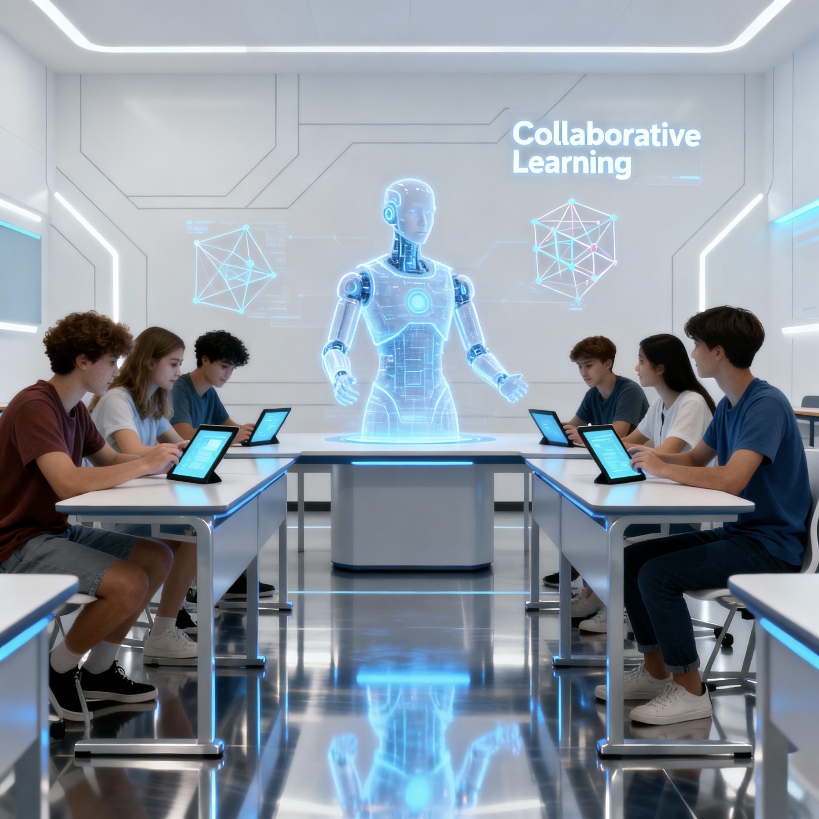
How Modern Technology is Transforming the Education System
The world of education has evolved dramatically over the past few decades. Gone are the days when classrooms relied solely on blackboards, textbooks, and traditional teaching methods. Today, modern technology has reshaped the way students learn and teachers deliver knowledge. From smart classrooms to online courses, digital tools are bridging gaps, making learning more interactive, and preparing students for the demands of the 21st century.
In this article, we will explore how modern technology is transforming the education system, its benefits, challenges, and the future it holds for students and educators alike.
1. Digital Classrooms and Smart Learning
One of the most significant changes brought by modern technology is the rise of digital classrooms. Interactive whiteboards, projectors, and smart screens have replaced traditional chalkboards. Teachers can now use videos, presentations, and animations to explain complex concepts in simpler ways.
This approach makes learning more engaging and helps students understand abstract ideas more easily. For example, instead of reading about the solar system in a textbook, students can take a virtual tour of planets using 3D models and simulations.
2. Online Learning and E-Learning Platforms
The growth of the internet has made online education accessible to millions worldwide. Platforms like Coursera, Udemy, and Khan Academy provide learners with the flexibility to study at their own pace and convenience. Even universities now offer online degrees that are equally valued as traditional ones.
The COVID-19 pandemic accelerated this transformation, proving that learning can continue beyond physical classrooms. Students can now attend lectures, complete assignments, and take exams from the comfort of their homes, making education more flexible and inclusive.
3. Personalized Learning with Artificial Intelligence
Artificial Intelligence (AI) is revolutionizing education by enabling personalized learning experiences. Traditional classrooms often follow a one-size-fits-all approach, but AI-powered tools adapt to each student’s strengths and weaknesses.
For instance, platforms like Duolingo adjust language lessons based on a learner’s performance, while apps like DreamBox adapt math problems to suit individual learning levels. This ensures students receive customized feedback and support, helping them progress at their own pace.
4. Virtual Reality (VR) and Augmented Reality (AR) in Education
Virtual Reality and Augmented Reality are transforming education by making learning immersive and interactive. Instead of reading about history, students can explore historical events through VR simulations. AR apps bring textbooks to life by overlaying 3D images and videos when scanned with a device.
These technologies help students retain information better by providing hands-on experiences. Medical students can practice surgeries virtually, engineering students can design 3D models, and geography classes can become virtual field trips—all thanks to VR and AR.
5. Gamification of Learning
Modern technology has introduced the concept of gamification, where elements of gaming are applied to learning. Educational apps and platforms use points, badges, leaderboards, and challenges to make studying more enjoyable.
This approach motivates students by turning learning into a fun activity. Games like Prodigy Math or Quizizz encourage students to solve problems while competing with peers, making them more engaged and motivated. Gamification not only improves academic performance but also develops problem-solving and teamwork skills.
6. Cloud Technology and Easy Access to Resources
Cloud computing has made it easier for students and teachers to access educational resources anytime, anywhere. Assignments, notes, and projects can be stored online, reducing the need for physical books and papers.
Students can collaborate on group projects using platforms like Google Classroom, Microsoft Teams, and Dropbox. Teachers can also share study materials instantly, grade assignments online, and track student progress efficiently. This digital shift saves time and enhances productivity.
7. Collaboration and Global Learning Opportunities
Modern technology has erased geographical boundaries in education. Students can now collaborate with peers from different parts of the world through video conferencing and global classroom projects.
For example, platforms like Zoom and Microsoft Teams allow international guest lectures, webinars, and cultural exchange programs. This exposure broadens students’ perspectives and prepares them for a globalized workforce. By connecting with diverse learners, students develop better communication, teamwork, and problem-solving skills.
8. Data-Driven Insights for Better Teaching
Technology has also empowered teachers with data-driven insights. Learning management systems (LMS) track students’ progress, attendance, and participation. With this data, teachers can identify struggling students early and provide targeted support.
Additionally, predictive analytics helps schools understand learning patterns and improve curricula. By using technology, educators can create more effective teaching strategies that address the needs of every student.
9. Accessibility and Inclusivity in Education
Modern technology is breaking barriers for students with disabilities. Assistive technologies such as screen readers, text-to-speech software, and voice recognition tools ensure that students with visual, hearing, or mobility challenges can participate fully in education.
For example, apps with speech-to-text capabilities help students with hearing impairments, while digital Braille devices assist visually impaired learners. This inclusivity ensures equal opportunities for all, making education more accessible than ever before.
10. Preparing Students for Future Careers
The ultimate goal of education is to prepare students for the future, and technology is central to this process. Digital literacy, coding, data analysis, and cybersecurity are now essential skills for many professions. Schools and universities are incorporating these subjects into their curricula to ensure students are job-ready.
Moreover, exposure to modern tools like AI, VR, and robotics prepares students for careers in industries that are still evolving. By familiarizing themselves with these technologies, learners gain a competitive edge in the global job market.
Challenges of Technology in Education
While modern technology has transformed education, it also comes with challenges:
- Digital Divide: Not all students have access to the internet or digital devices, creating inequality in education.
- Screen Dependency: Excessive use of devices can lead to reduced physical activity and health issues.
- Cybersecurity Concerns: Online learning platforms must ensure data privacy and protection.
- Teacher Training: Educators need proper training to effectively integrate technology into their teaching methods.
Addressing these challenges is essential to ensure that technology benefits all learners equally.
The Future of Technology in Education
Looking ahead, the future of education will be shaped by innovations like Artificial Intelligence tutors, Blockchain-based certification systems, and fully immersive virtual classrooms. With 5G internet, remote learning will become smoother, and students will enjoy more interactive and personalized educational experiences.
As technology continues to advance, education will become even more flexible, inclusive, and globally connected. The key will be finding a balance between technology and traditional teaching to ensure holistic learning.
Conclusion
Modern technology has undeniably transformed the education system, making it more accessible, engaging, and effective. From smart classrooms and online learning to AI-driven personalized education and immersive experiences through VR, technology has opened endless possibilities for students and teachers alike.
While challenges remain, the benefits far outweigh the drawbacks. As we move forward, embracing technology in education will not only improve academic performance but also equip learners with the skills they need to thrive in an ever-changing world.