A Beginner’s Guide to Financial Planning for a Secure Future
Financial planning is more than just saving money—it’s about creating a roadmap for your life that ensures security, stability, and freedom. In today’s fast-changing world, where the economy, technology, and lifestyles continue to evolve, learning how to manage your finances wisely has never been more important.
If you’re new to financial planning, this guide will break down the basics in simple terms. Whether you’re a student just starting out, a young professional, or someone looking to gain control over your finances, the principles outlined here will help you build a strong foundation for a secure future.
What Is Financial Planning?
At its core, financial planning is the process of setting goals, creating strategies, and managing money to achieve those goals. It involves analyzing your current financial situation, making plans for the short and long term, and ensuring you’re prepared for both expected and unexpected events.
Good financial planning is not about being wealthy—it’s about making smart decisions so your money works for you.
Why Is Financial Planning Important?
Without a plan, it’s easy to spend money without realizing where it goes. Financial planning provides clarity and control. Some of its key benefits include:
- Security: You’re better prepared for emergencies and unexpected expenses.
- Wealth building: It helps you save and invest consistently.
- Goal achievement: Whether buying a home, funding education, or retiring early, financial planning makes it achievable.
- Reduced stress: Knowing you have a financial safety net improves peace of mind.
Now, let’s explore the step-by-step process of financial planning for beginners.
Step 1: Understand Your Current Financial Situation
Before making any changes, you need to know where you stand. Create a financial snapshot by reviewing:
- Income: Salary, bonuses, side hustles, or business income.
- Expenses: Monthly bills, groceries, subscriptions, and discretionary spending.
- Debts: Credit cards, student loans, mortgages, or personal loans.
- Assets: Savings accounts, investments, property, and valuable items.
This overview helps you understand your strengths and weaknesses. For instance, you might realize you earn well but overspend on non-essentials.
Pro tip: Use personal finance apps like Mint, YNAB, or PocketGuard for easy tracking.
Step 2: Set Financial Goals
Financial goals give your plan direction. They can be divided into three categories:
- Short-term goals (1–3 years): Building an emergency fund, paying off credit card debt, or saving for a vacation.
- Medium-term goals (3–7 years): Buying a house, starting a business, or saving for a child’s education.
- Long-term goals (7+ years): Retirement, financial independence, or creating generational wealth.
Your goals should be SMART: Specific, Measurable, Achievable, Relevant, and Time-bound. For example, instead of saying “I want to save money,” say, “I want to save $10,000 for a house down payment in three years.”
Step 3: Create a Budget
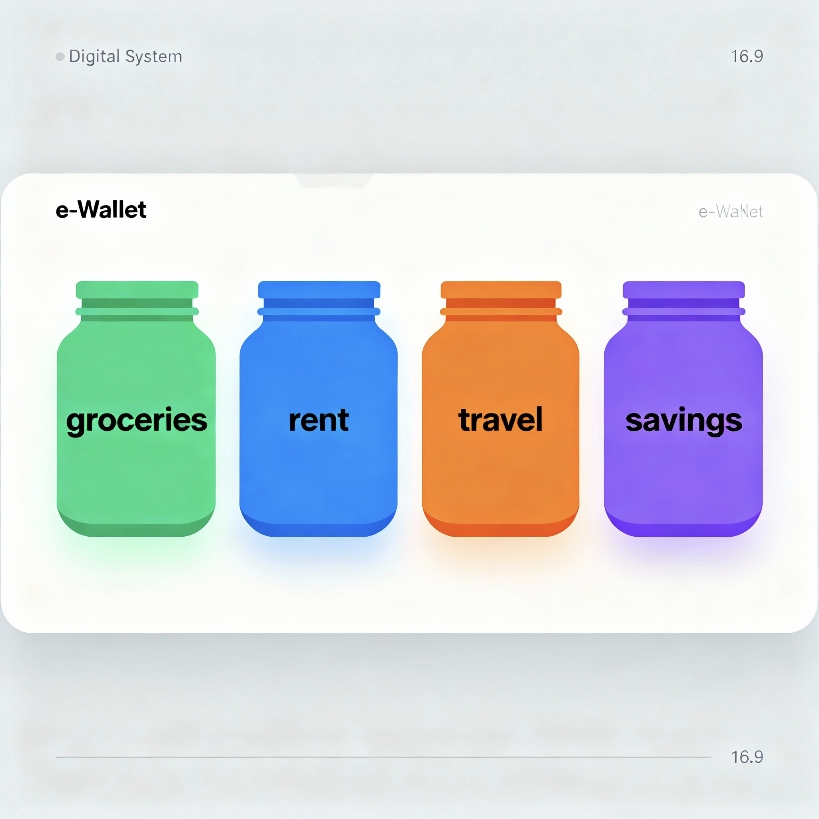
A budget is the backbone of financial planning. It ensures your spending aligns with your goals. One popular method is the 50/30/20 rule:
- 50% of income: Needs (rent, utilities, groceries, transportation).
- 30% of income: Wants (entertainment, dining out, travel).
- 20% of income: Savings and debt repayment.
You can adjust these percentages based on your lifestyle. The key is to spend less than you earn and put the difference toward savings and investments.
Pro tip: Automate savings by setting up automatic transfers to a savings or investment account each payday.
Step 4: Build an Emergency Fund
Life is unpredictable, and an emergency fund ensures you don’t rely on credit cards or loans during tough times. Ideally, you should save 3–6 months of living expenses in a separate, easily accessible account.
Start small. Even $500 can provide peace of mind, and you can gradually build it up.
Step 5: Manage Debt Wisely
Debt can be a major obstacle to financial security. Not all debt is bad—for example, a mortgage or student loan can be considered “good debt” if managed properly. However, high-interest debt (like credit cards) should be your priority to eliminate.
Two effective repayment strategies are:
- Snowball Method: Pay off the smallest debt first to build momentum.
- Avalanche Method: Pay off debts with the highest interest rate first to save money.
Pro tip: Avoid taking on unnecessary debt, especially for non-essential purchases.
Step 6: Save and Invest for the Future
Saving money protects you today, but investing grows your wealth for tomorrow. Thanks to technology, investing in 2025 is easier and more accessible than ever.
Options for beginners include:
- High-yield savings accounts: Good for short-term savings.
- Index funds and ETFs: Low-cost, diversified investments suitable for beginners.
- Retirement accounts (401k, IRA, Roth IRA): Provide tax advantages.
- Real estate or side businesses: For those seeking alternative wealth-building strategies.
The earlier you start investing, the more you benefit from compound interest, where your money grows exponentially over time.
Step 7: Plan for Retirement Early
Retirement may seem far away, but starting early gives you a huge advantage. Even small monthly contributions can grow significantly over decades.
For example, investing just $200 a month at a 7% return can grow to nearly $500,000 in 35 years.
Check if your employer offers a retirement plan with matching contributions—always take advantage of that, as it’s essentially free money.
Step 8: Protect Yourself with Insurance
Insurance is a key but often overlooked part of financial planning. It shields you from financial disaster in case of emergencies. At minimum, consider:
- Health insurance: Protects against expensive medical bills.
- Life insurance: Ensures your family is financially secure if something happens to you.
- Disability insurance: Provides income if you’re unable to work.
- Property insurance: Safeguards your home, car, or other assets.
Think of insurance as a safety net for your wealth.
Step 9: Improve Financial Literacy
Knowledge is power when it comes to money. The more you understand financial concepts, the better decisions you’ll make.
Ways to boost financial literacy include:
- Reading personal finance books and blogs.
- Listening to finance podcasts.
- Attending workshops or online courses.
- Following reliable financial educators on YouTube or LinkedIn.
Make learning about money a lifelong habit.
Step 10: Review and Adjust Regularly
Financial planning is not a one-time task—it’s an ongoing process. Life changes, and so do your goals. Review your plan at least once a year or whenever you experience a major life event (like marriage, having children, or a career change).
Check your progress toward goals, adjust your budget, and rebalance your investments if necessary. Regular reviews keep your financial plan aligned with your evolving life.
Common Mistakes to Avoid
As a beginner, it’s natural to make mistakes, but being aware of them can save you time and money:
- Ignoring small expenses that add up over time.
- Relying too heavily on credit cards.
- Not starting an emergency fund.
- Delaying retirement contributions.
- Trying to “time the market” instead of investing consistently.
Avoiding these pitfalls will keep your financial journey smooth and focused.
Final Thoughts
Financial planning may sound complicated, but it boils down to simple, consistent habits: earn wisely, spend mindfully, save regularly, invest early, and protect yourself from risks.
The earlier you start, the more freedom and flexibility you’ll have in the future. By following the steps outlined in this beginner’s guide, you’re building a foundation for financial stability, security, and ultimately, independence.
Remember, financial planning isn’t about being perfect—it’s about making progress. Start small, stay consistent, and over time, you’ll see the rewards of your effort.