10 Smart Money Management Tips to Secure Your Financial Future
Managing money wisely is one of the most important life skills that can shape your future. Whether you’re just starting your career, supporting a family, or planning for retirement, smart money management helps you stay financially stable, reduce stress, and achieve long-term goals. Many people struggle with saving, budgeting, and making informed financial decisions, but with a clear plan, anyone can take control of their finances.
In this article, we will explore 10 smart money management tips that will help you secure your financial future and enjoy greater peace of mind.
1. Create a Realistic Budget
The foundation of money management is a well-structured budget. A budget helps you track your income, expenses, and savings, ensuring that your spending aligns with your goals.
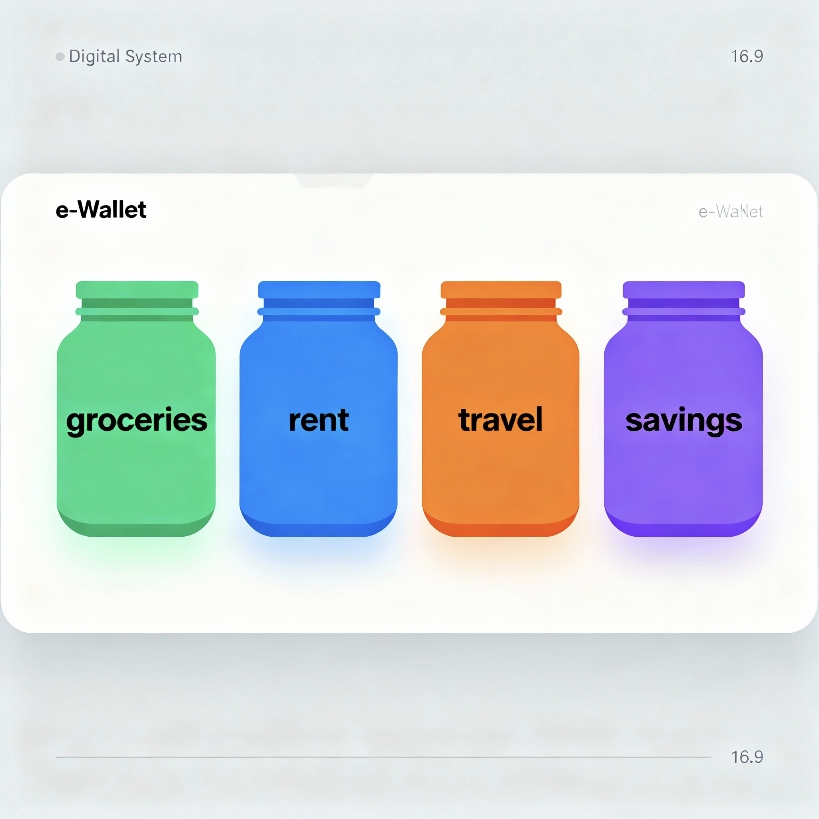
Start by listing all sources of income and categorizing expenses (rent, groceries, bills, transportation, entertainment, etc.). Use the 50/30/20 rule as a guideline:
- 50% for needs (housing, food, utilities)
- 30% for wants (entertainment, dining out, hobbies)
- 20% for savings and debt repayment
By sticking to a budget, you’ll know exactly where your money goes and avoid overspending.
2. Build an Emergency Fund
Life is unpredictable—unexpected job loss, medical bills, or urgent home repairs can happen anytime. That’s why having an emergency fund is essential.
Aim to save at least three to six months’ worth of living expenses in a separate savings account. This financial cushion prevents you from relying on credit cards or loans during emergencies. Start small if needed, even $20–$50 per week, and gradually grow your fund over time.
3. Eliminate High-Interest Debt
Debt can be one of the biggest barriers to financial freedom, especially high-interest debt such as credit card balances. The longer you carry debt, the more money you lose on interest payments.
Here are two popular debt repayment strategies:
- Snowball Method: Pay off the smallest debt first, then move to the next.
- Avalanche Method: Focus on paying off the debt with the highest interest rate first.
Both methods work—choose the one that motivates you to stay consistent.
4. Live Below Your Means
One of the smartest ways to build wealth is to spend less than you earn. Many people increase their spending as their income grows, but this often leads to financial stress instead of security.
Practical tips to live below your means include:
- Avoid lifestyle inflation (buying luxuries just because your income increased).
- Cook meals at home instead of eating out frequently.
- Choose quality over quantity when shopping.
- Wait 24 hours before making non-essential purchases.
Living modestly today allows you to save and invest more for tomorrow.
5. Invest for the Future
Saving money is important, but investing is what helps your money grow over time. Investments provide returns that outpace inflation, securing your future purchasing power.
Begin by exploring:
- Stocks: Ownership in companies that can generate long-term growth.
- Bonds: Lower-risk options that provide fixed interest payments.
- Mutual Funds or ETFs: Diversified investment options.
- Retirement Accounts (401(k), IRA): Long-term savings with tax benefits.
If you’re unsure where to start, consider consulting a financial advisor or using robo-advisors that automate investing.
6. Set Clear Financial Goals
Without clear goals, it’s easy to lose track of your financial progress. Setting SMART goals (Specific, Measurable, Achievable, Relevant, Time-bound) keeps you motivated.
Examples of financial goals:
- Save $10,000 in three years for a house down payment.
- Pay off student loans within five years.
- Build a $100,000 retirement fund by age 40.
Write down your goals and review them regularly to stay on track.
7. Track and Review Your Spending
Many people are surprised when they realize how much they spend on small daily purchases like coffee or snacks. Tracking expenses helps you find hidden leaks in your budget.
Ways to track spending:
- Use budgeting apps like Mint, YNAB (You Need a Budget), or PocketGuard.
- Check bank and credit card statements monthly.
- Keep a spending journal for at least 30 days.
By reviewing spending patterns, you can adjust habits and save more without feeling deprived.
8. Protect Yourself with Insurance
Insurance is an important part of financial planning. It safeguards you and your family from unexpected financial burdens.
Essential types of insurance include:
- Health Insurance: Covers medical expenses.
- Life Insurance: Provides financial support to your dependents.
- Disability Insurance: Protects income if you can’t work due to illness or injury.
- Home/Renter’s Insurance: Protects property and belongings.
While it may feel like an expense, the right insurance prevents financial disaster during emergencies.
9. Continuously Educate Yourself
Financial literacy is a lifelong journey. The more you learn, the better decisions you can make.
Here are some ways to improve your knowledge:
- Read books and blogs on personal finance.
- Follow reputable finance podcasts and YouTube channels.
- Take online courses about investing and money management.
- Attend workshops or webinars.
Staying informed helps you adapt to changes in the economy and financial markets.
10. Plan for Retirement Early
Many people delay retirement planning, thinking it’s too early. But the earlier you start, the more time your investments have to grow through compound interest.
Steps to prepare for retirement:
- Contribute regularly to retirement accounts like 401(k) or IRA.
- Take advantage of employer matching programs if available.
- Increase contributions as your income rises.
- Diversify your retirement portfolio.
Starting in your 20s or 30s can make a huge difference compared to waiting until your 40s or 50s.
Final Thoughts
Securing your financial future doesn’t happen overnight—it requires discipline, patience, and consistent effort. By following these 10 smart money management tips, you’ll build a strong financial foundation, reduce stress, and create opportunities for long-term success.
Remember: small, consistent actions like budgeting, saving, investing, and living below your means will add up to major results over time. The sooner you begin, the sooner you’ll enjoy financial freedom and peace of mind.