Smart Money Moves: Top Personal Finance Tips to Build Wealth in 2025
Managing money wisely has always been important, but in 2025, with rising living costs, shifting interest rates, and new investment opportunities, personal finance is more critical than ever. Whether you’re just starting your financial journey or looking to fine-tune your wealth-building strategies, making smart money moves can set you up for long-term stability and success.
This guide will walk you through practical, actionable, and future-focused personal finance tips to help you build wealth in 2025 and beyond.
1. Set Clear and Achievable Financial Goals
Wealth-building begins with clarity. Without a roadmap, it’s easy to drift financially and miss out on opportunities. In 2025, start by writing down your short-term and long-term goals.
- Short-term goals (1–3 years): Pay off high-interest debt, build an emergency fund, or save for a vacation.
- Medium-term goals (3–7 years): Buy a home, start a business, or save for higher education.
- Long-term goals (7+ years): Retirement planning, building investment portfolios, or leaving a legacy for family.
Tip: Use the SMART method (Specific, Measurable, Achievable, Relevant, Time-bound) to make sure your goals are realistic. For example: “Save $15,000 for a home down payment in the next 3 years by saving $420 per month.”
2. Create a Future-Proof Budget
Budgeting is the backbone of financial success. In 2025, with digital tools and AI-driven finance apps, budgeting has never been easier. A well-structured budget gives you control over spending, saving, and investing.
Key Budgeting Methods:
- 50/30/20 Rule: Spend 50% on needs, 30% on wants, and 20% on savings/investments.
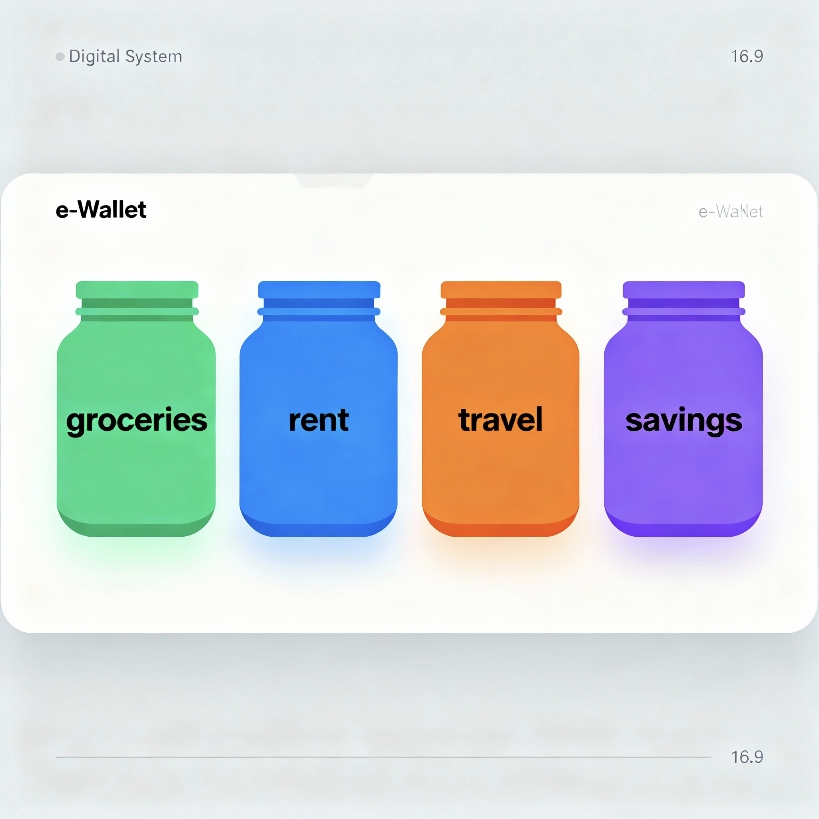
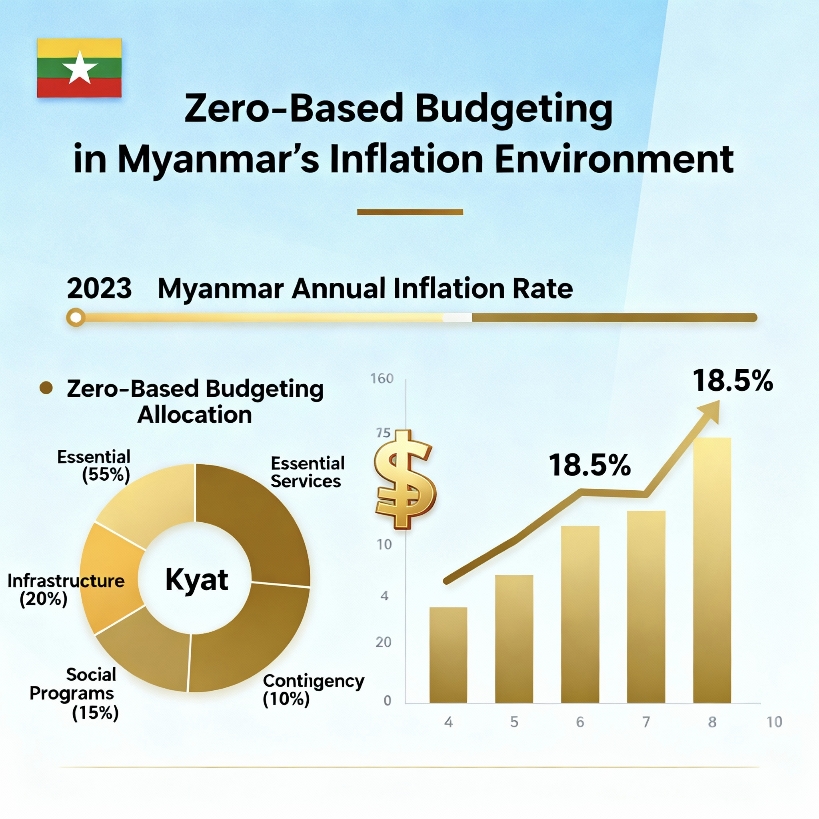
- Zero-Based Budgeting: Every dollar is assigned a purpose, ensuring no money is left untracked.
- Reverse Budgeting: Prioritize savings and investments first, then spend what’s left.
Tip: Automate savings through online banking or financial apps so you never miss a deposit into your emergency fund or investment accounts.
3. Build and Protect an Emergency Fund
Unexpected expenses—like job loss, medical bills, or urgent repairs—can derail financial progress. An emergency fund acts as a safety net.
- Aim for 3–6 months of living expenses in a separate, easily accessible savings account.
- Consider keeping it in a high-yield savings account (HYSA) to earn interest while staying liquid.
Having an emergency fund prevents you from dipping into retirement savings or relying on high-interest credit cards.
4. Eliminate and Manage Debt Wisely
Debt can drain wealth-building efforts if not handled strategically. In 2025, with rising credit card interest rates and student loan pressures, smart debt management is essential.
Two Popular Debt-Repayment Methods:
- Debt Avalanche: Pay off high-interest debt first to minimize costs.
- Debt Snowball: Pay off the smallest debts first for quick wins and motivation.
Tip: If possible, consolidate high-interest debts into a lower-interest loan or use balance transfer offers to reduce your interest burden.
5. Leverage Technology for Smarter Money Management
One of the advantages of 2025 is access to advanced technology in finance. AI-driven apps, digital banks, and robo-advisors can help streamline financial planning.
- Budgeting Apps: Track spending in real-time.
- Investment Platforms: Automate investing through robo-advisors.
- Financial Health Dashboards: AI-based tools that analyze your spending and recommend improvements.
Using these tools helps you save time and make informed decisions without needing to be a finance expert.
6. Save and Invest for the Future
Savings protect your present, but investments grow your future wealth. In 2025, traditional and modern investment options are both on the table.
Popular Investment Choices:
- Stock Market: Long-term growth through individual stocks, ETFs, and index funds.
- Bonds & Treasury Bills: Lower-risk investments with predictable returns.
- Real Estate: Rental properties or REITs (Real Estate Investment Trusts).
- Cryptocurrency & Digital Assets: High-risk, high-reward; only invest what you can afford to lose.
Tip: Follow the principle of diversification. Spreading money across different asset classes reduces risk and increases long-term stability.
7. Maximize Retirement Accounts
Even if retirement feels far away, the earlier you start, the more you benefit from compounding.
- Employer-Sponsored Plans (401k/403b): Take advantage of employer matches—it’s free money.
- Individual Retirement Accounts (IRAs): Explore Traditional vs. Roth options based on your tax situation.
- Government Pension Schemes: Stay updated on contribution changes in 2025.
Tip: Automate contributions to ensure consistent growth without the temptation to spend.
8. Improve Your Credit Score
A strong credit score opens doors to lower interest rates, better loan options, and even job opportunities.
Steps to Boost Credit:
- Pay bills on time, every time.
- Keep credit utilization below 30% of your limit.
- Avoid unnecessary hard inquiries.
- Regularly review your credit report for errors.
Improving credit may take time, but the payoff is worth it for future financial opportunities.
9. Increase Your Income Streams
In 2025, relying on a single income source is risky. Building wealth often requires multiple income streams.
Ideas to Diversify Income:
- Freelancing or consulting.
- Side hustles (e-commerce, tutoring, content creation).
- Passive income (dividends, royalties, rental income).
Tip: Even an extra $200 per month, invested consistently, can grow significantly over the years thanks to compound interest.
10. Protect Your Wealth with Insurance
Wealth-building isn’t only about earning—it’s also about protecting what you have. Insurance provides a safety net for your family and assets.
Types of insurance to consider:
- Health Insurance – to avoid massive medical bills.
- Life Insurance – especially important if you have dependents.
- Disability Insurance – to protect income in case of illness or injury.
- Property Insurance – to cover homes, vehicles, or businesses.
11. Stay Educated and Updated
Financial literacy is a lifelong journey. In 2025, markets are dynamic, and new opportunities—such as sustainable investing or fintech innovations—are emerging rapidly.
- Read personal finance blogs and books.
- Follow reputable financial advisors online.
- Take free courses on budgeting, investing, and entrepreneurship.
Tip: Dedicate just 30 minutes a week to learning something new about money. Small steps compound into powerful knowledge over time.
Final Thoughts: Building Wealth in 2025
Wealth-building in 2025 isn’t about overnight success—it’s about consistent, smart money moves that add up over time. By setting clear goals, budgeting wisely, investing strategically, and leveraging modern technology, you can create financial security and long-term prosperity.
Remember: financial success is not just about how much you earn, but how much you save, grow, and protect. Start today, stay disciplined, and your future self will thank you.