Essential Car Maintenance Tips Every Driver Should Know
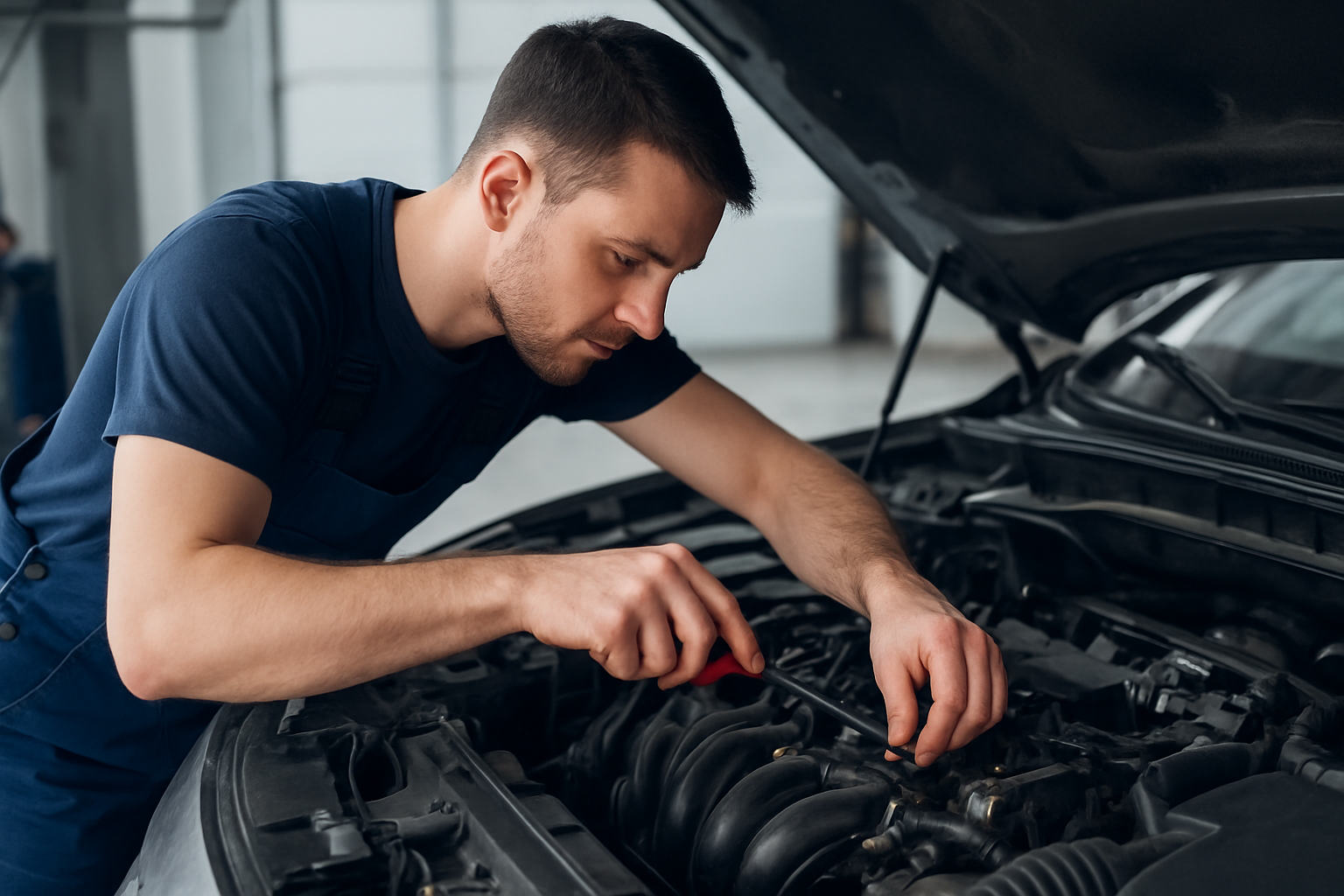
Owning a car brings convenience, freedom, and comfort, but it also comes with responsibilities. Proper car maintenance is not just about keeping your vehicle in good condition—it’s also about ensuring safety, improving performance, and extending the life of your car. Many drivers underestimate the importance of regular maintenance until they face costly repairs or breakdowns on the road.
This article will guide you through the essential car maintenance tips every driver should know. Whether you are a new driver or an experienced car owner, these tips will help you save money, prevent accidents, and keep your vehicle running smoothly.
1. Check Engine Oil Regularly
Engine oil is the lifeblood of your car. It lubricates moving parts, reduces friction, and prevents overheating. Neglecting oil maintenance can lead to severe engine damage.
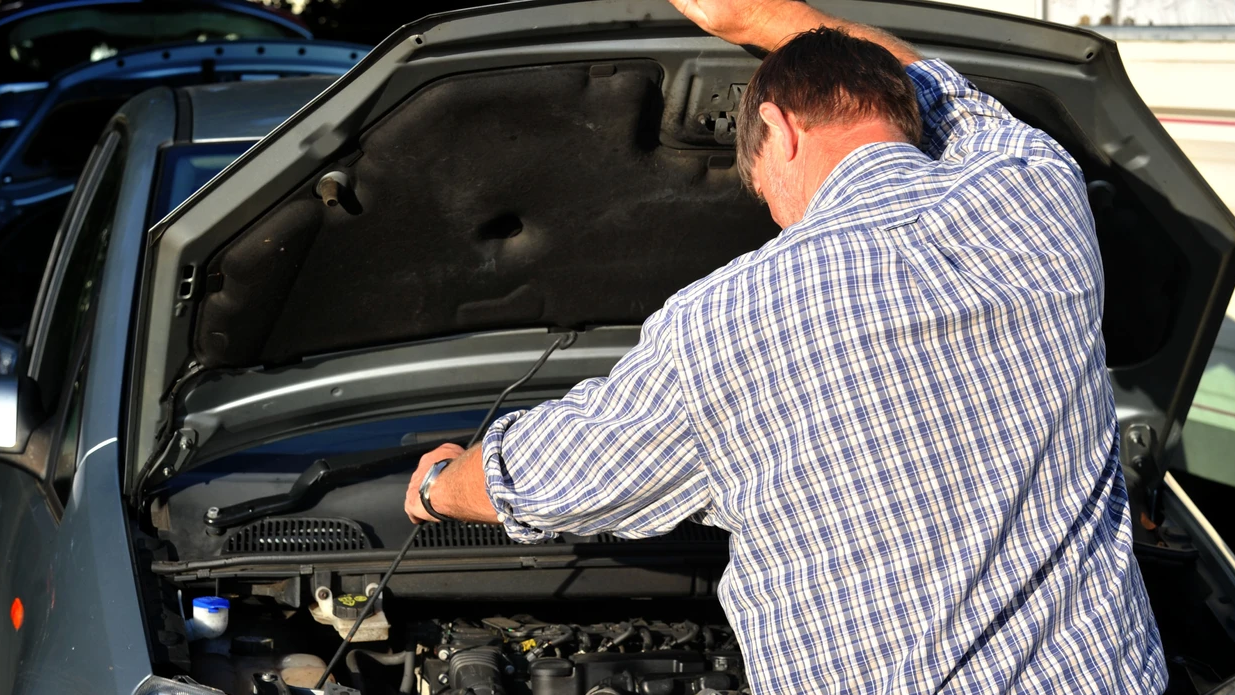
- How to Check Oil: Pull out the dipstick, wipe it clean, reinsert it, and pull it out again to check the oil level.
- When to Change Oil: Most cars require oil changes every 5,000–7,500 miles, though newer models may last longer. Always follow your manufacturer’s recommendations.
- Tip: Use the recommended oil grade for your vehicle to ensure optimal performance.
2. Inspect and Replace Air Filters
A clean air filter ensures that your engine receives the proper airflow. A clogged filter reduces fuel efficiency and increases emissions.
- When to Replace: Typically every 12,000 to 15,000 miles or once a year.
- Signs of a Dirty Air Filter: Poor acceleration, decreased fuel economy, or black smoke from the exhaust.
- Tip: Replacing air filters is a quick and inexpensive maintenance step that improves both performance and mileage.
3. Monitor Tire Condition and Pressure
Your tires are the only contact between your vehicle and the road, making them crucial for safety.
- Check Pressure: Low tire pressure reduces fuel economy and increases the risk of blowouts. Check at least once a month using a pressure gauge.
- Inspect Tread: Insert a coin into the tire tread—if the tread is too shallow, it’s time to replace the tire.
- Rotate Tires: Rotate every 5,000–7,000 miles to ensure even wear.
- Tip: Keep a spare tire and know how to change it in case of emergencies.
4. Test and Maintain the Car Battery
Car batteries usually last three to five years. A dead battery is one of the most common causes of car breakdowns.
- Check Terminals: Ensure battery terminals are free of corrosion.
- Test Voltage: Use a multimeter to check battery health. A fully charged battery should read around 12.6 volts.
- Tip: If your battery is weak, replace it before winter, as cold weather can quickly drain its power.
5. Pay Attention to Brake Health
Your car’s braking system is one of its most critical safety features. Ignoring brake maintenance can put lives at risk.
- Listen for Noises: Squealing or grinding noises may indicate worn brake pads.
- Check Brake Fluid: Low brake fluid levels can reduce braking efficiency.
- Brake Inspections: Have your brakes checked at least once a year.
- Tip: Don’t wait until you feel brake issues—preventive checks save lives.
6. Keep Fluids at Proper Levels
Aside from engine oil and brake fluid, cars require several other fluids to run smoothly:
- Coolant: Prevents overheating and maintains engine temperature.
- Transmission Fluid: Keeps the gearbox operating properly.
- Power Steering Fluid: Ensures smooth steering.
- Windshield Washer Fluid: Essential for clear visibility while driving.
- Tip: Regularly check and top off these fluids, and flush them according to your car’s manual.
7. Replace Windshield Wipers
Visibility is key to safe driving, especially during heavy rain or snow.
- When to Replace: Every 6 to 12 months or when streaks appear on the windshield.
- Tip: Always keep your windshield washer reservoir filled to clear dust, dirt, and bugs.
8. Inspect Belts and Hoses
Belts and hoses are small but vital components that keep your car running.
- Serpentine Belt: Powers the alternator, water pump, and AC compressor.
- Timing Belt: Keeps the engine’s internal components synchronized.
- Hoses: Carry fluids like coolant and fuel.
- Tip: Look for cracks, fraying, or leaks during routine checks and replace them before they fail.
9. Keep Your Car Clean
Car maintenance isn’t just mechanical—cleanliness also matters.
- Exterior Cleaning: Wash your car regularly to prevent rust and paint damage.
- Interior Cleaning: Vacuum and wipe down surfaces to maintain comfort and hygiene.
- Tip: Apply wax every few months to protect the paint and keep the car looking new.
10. Follow the Maintenance Schedule
Every car comes with a manufacturer’s maintenance schedule, usually outlined in the owner’s manual.
- Routine Services: Includes oil changes, tire rotations, brake inspections, and fluid checks.
- Major Services: Timing belt replacement, transmission servicing, or coolant flushes at specific mileage intervals.
- Tip: Staying on schedule prevents expensive breakdowns and keeps your warranty valid.
11. Check the Lights
Headlights, taillights, brake lights, and turn signals are essential for safe driving.
- Inspect Regularly: Walk around your car and ensure all lights are working.
- Replace Bulbs Promptly: Dim or burnt-out bulbs should be changed immediately.
- Tip: Consider upgrading to LED lights for better visibility and longer life.
12. Keep an Emergency Kit
Even with proper maintenance, emergencies can happen. An emergency kit can make a huge difference.
- Essential Items: Jumper cables, flashlight, first aid kit, tire inflator, water, and basic tools.
- Tip: Always keep your emergency kit in the trunk, especially during long road trips.
13. Drive Responsibly
Car maintenance isn’t just about mechanical care—it also depends on how you drive.
- Smooth Driving: Avoid harsh braking and rapid acceleration to extend engine and brake life.
- Avoid Overloading: Excess weight strains the suspension, tires, and brakes.
- Tip: Responsible driving habits reduce wear and tear, saving you money on repairs.
14. Get Professional Inspections
While DIY maintenance is important, certain tasks require a professional mechanic.
- Annual Checkups: A mechanic can identify problems you may miss.
- Diagnostic Tools: Professionals use advanced tools to detect hidden issues.
- Tip: Choose a trusted mechanic or dealership to keep your car in top condition.
Conclusion
Proper car maintenance is not just about extending the life of your vehicle—it’s about keeping yourself, your passengers, and others on the road safe. By following these essential car maintenance tips, you can prevent costly repairs, improve fuel efficiency, and enjoy peace of mind every time you drive.
Whether it’s checking your engine oil, monitoring tire pressure, or following the manufacturer’s service schedule, these simple steps go a long way toward ensuring your car runs reliably for years to come.
Remember, a well-maintained car not only saves money but also provides a safer and smoother driving experience. So, treat your vehicle with care—it will reward you with dependable performance and long-lasting value.