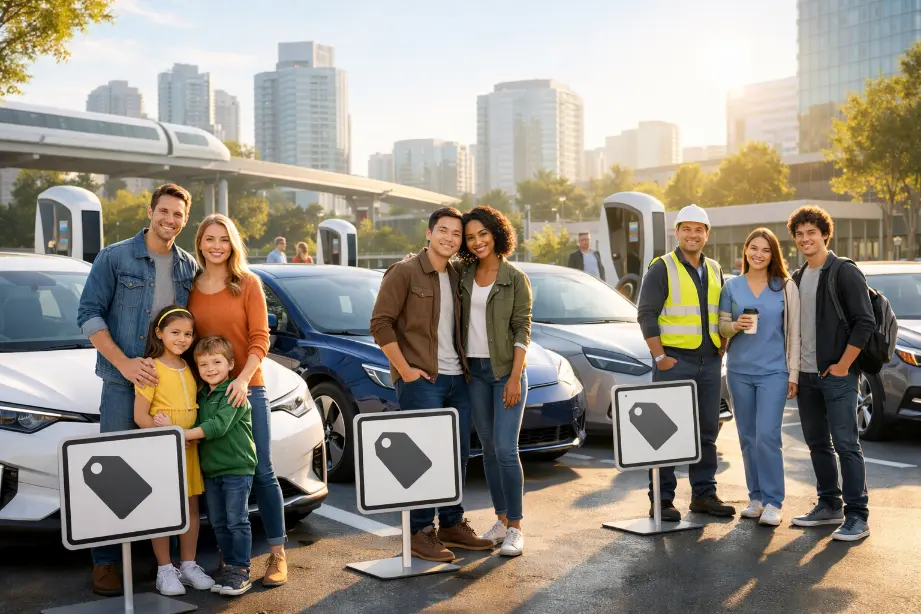
Top Automotive Trends Shaping the Future of the Car Industry
The automotive industry is undergoing a massive transformation, driven by technology, sustainability, consumer demand, and innovation. What was once a market dominated by traditional combustion-engine vehicles is now moving toward a future filled with electric cars, connected vehicles, and advanced mobility solutions. These changes are not just altering the way cars are built and sold, but also how people perceive transportation as a whole.
In this article, we will explore the top automotive trends shaping the future of the car industry. From electric mobility to artificial intelligence and autonomous driving, these trends highlight how the automotive sector is evolving to meet the challenges of tomorrow.
1. The Rise of Electric Vehicles (EVs)
Perhaps the most significant trend in the automotive industry is the rapid growth of electric vehicles. With rising concerns about climate change, governments worldwide are encouraging a shift from fossil fuel-powered cars to sustainable electric alternatives.
- Environmental Impact: EVs significantly reduce greenhouse gas emissions compared to traditional vehicles.
- Government Policies: Many countries are offering tax incentives, subsidies, and charging infrastructure support to boost EV adoption.
- Automaker Commitments: Companies like Tesla, Ford, Volkswagen, and Toyota are investing billions into EV production.
As battery technology improves, EVs are becoming more affordable and efficient. Longer driving ranges, faster charging times, and expanding charging networks are pushing consumers to seriously consider EVs as their next vehicle purchase.
2. Autonomous Driving and Self-Driving Cars
Self-driving technology is no longer a futuristic dream—it is becoming a reality. Tech companies and automakers are working on autonomous vehicles (AVs) designed to operate with minimal or no human intervention.
- Levels of Autonomy: The Society of Automotive Engineers (SAE) defines levels from 0 (no automation) to 5 (full automation). Currently, most cars on the road are between levels 2 and 3, featuring advanced driver assistance systems (ADAS).
- AI and Sensors: Autonomous vehicles rely on a mix of artificial intelligence, cameras, radar, and LiDAR sensors to navigate safely.
- Benefits: Improved road safety, reduced traffic congestion, and increased accessibility for people unable to drive.
Though widespread adoption may take time due to regulatory hurdles and safety concerns, autonomous driving is a clear direction for the industry’s future.
3. Connected Cars and the Internet of Things (IoT)
Another game-changing trend is the rise of connected vehicles. These cars integrate with the Internet of Things (IoT), allowing communication with other vehicles, infrastructure, and even smart devices.
- Navigation and Traffic Management: Real-time updates help drivers avoid traffic jams and find efficient routes.
- Vehicle-to-Vehicle (V2V) Communication: Cars can share data to prevent accidents and improve road safety.
- Enhanced User Experience: Features like remote diagnostics, voice assistants, and in-car entertainment are revolutionizing the driving experience.
Connectivity is paving the way for smarter mobility solutions, ensuring that cars are not just modes of transport but integrated parts of the digital ecosystem.
4. Artificial Intelligence (AI) in Automotive
Artificial intelligence is transforming the automotive sector in multiple ways:
- Predictive Maintenance: AI can detect issues before they cause breakdowns.
- Driver Assistance: Lane-keeping assistance, adaptive cruise control, and automatic braking are all AI-driven features.
- Personalization: AI systems can adapt to driver preferences, from seat positions to music playlists.
- Manufacturing Efficiency: AI is also being used in factories to optimize production processes and improve quality control.
As AI continues to evolve, its role in enhancing vehicle safety, performance, and convenience will only expand.
5. Sustainable and Eco-Friendly Materials
Beyond electric mobility, automakers are also adopting sustainable practices in vehicle production. This includes the use of recycled, eco-friendly, and lightweight materials.
- Recycled Plastics and Metals: Reducing the carbon footprint of vehicle manufacturing.
- Lightweight Materials: Aluminum and carbon fiber help improve fuel efficiency and extend EV range.
- Eco-Friendly Interiors: Use of plant-based materials, vegan leather, and natural fibers for car interiors.
Sustainability is becoming a major selling point for environmentally conscious buyers, making it an essential trend for the future.
6. Shared Mobility and Ride-Hailing Services
The traditional model of car ownership is shifting as consumers explore shared mobility solutions such as ride-hailing, car-sharing, and subscription-based services.
- Urban Transportation: In large cities, shared mobility helps reduce traffic congestion and parking issues.
- Cost-Effective: Many people find ride-hailing services cheaper than owning and maintaining a car.
- Sustainability: Shared mobility encourages fewer vehicles on the road, contributing to lower emissions.
Companies like Uber, Lyft, and Zipcar are at the forefront of this trend, and many automakers are also launching their own shared mobility platforms.
7. Advanced Safety Features
Safety remains a top priority for automakers. Modern vehicles are equipped with cutting-edge safety technologies that help prevent accidents and protect passengers.
- ADAS (Advanced Driver Assistance Systems): Features like blind-spot monitoring, lane departure warnings, and collision avoidance.
- 360-Degree Cameras: Improving visibility and reducing accidents while parking or maneuvering.
- Emergency Braking Systems: Automatically stop the vehicle when a collision risk is detected.
These safety innovations are not only saving lives but also building consumer trust in new automotive technologies.
8. The Shift Toward Mobility-as-a-Service (MaaS)
Mobility is moving beyond private ownership toward a more integrated model known as Mobility-as-a-Service (MaaS).
- All-in-One Apps: Combining ride-hailing, public transport, bike-sharing, and car rentals in a single platform.
- Subscription Services: Consumers can pay a monthly fee to access a range of transportation options.
- Convenience: MaaS solutions provide flexible, cost-effective alternatives to traditional car ownership.
This trend aligns with urban lifestyles and the growing need for smart, sustainable mobility.
9. Over-the-Air (OTA) Software Updates
Just like smartphones, cars are now receiving over-the-air updates. This allows automakers to improve vehicle performance, fix bugs, and add new features without requiring a dealership visit.
- Enhanced Security: Patching vulnerabilities remotely.
- Continuous Improvements: Adding new apps, services, or performance upgrades.
- Consumer Convenience: Reducing the need for physical service appointments.
Tesla pioneered OTA updates, and now other major automakers are adopting this trend.
10. Hydrogen-Powered Vehicles
While electric vehicles dominate headlines, hydrogen fuel cell vehicles (FCVs) are also gaining attention.
- Quick Refueling: Hydrogen cars can be refueled in minutes, unlike EVs that require longer charging times.
- Long Driving Range: Suitable for commercial trucks and buses.
- Challenges: Limited fueling infrastructure and high production costs currently slow adoption.
Despite these challenges, hydrogen technology could play a significant role in the future of heavy-duty and long-distance transportation.
Conclusion
The automotive industry is moving through one of the most exciting and transformative periods in its history. Electric vehicles, AI, connectivity, shared mobility, and sustainability are no longer optional—they are the driving forces shaping the industry’s future.
For consumers, this means safer, smarter, and more eco-friendly vehicles. For automakers, it signals the need to innovate constantly and adapt to changing demands. As these trends continue to evolve, the future of transportation looks more connected, sustainable, and intelligent than ever before.
The road ahead may be filled with challenges, but it is also packed with opportunities that promise to redefine the way we move from one place to another.