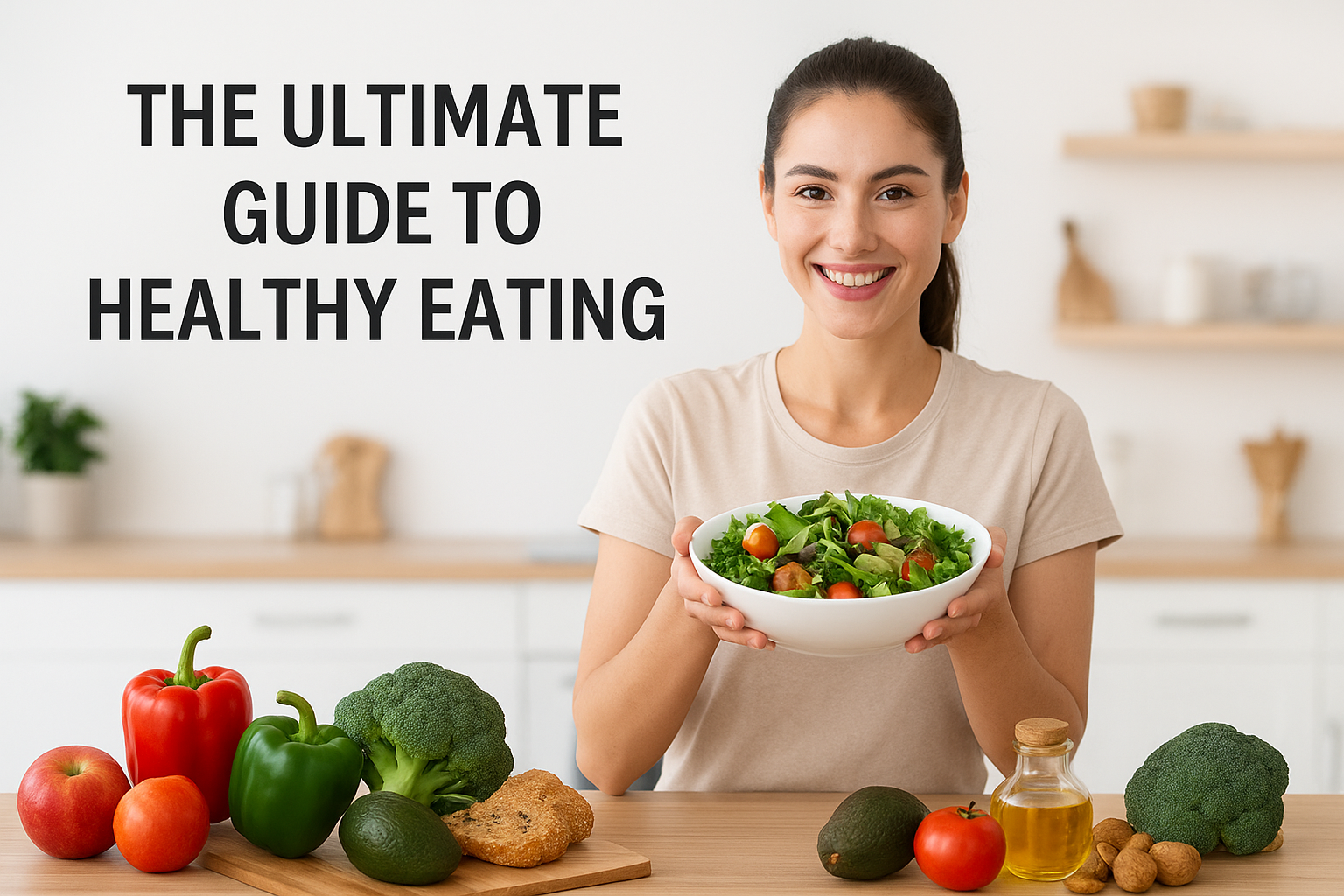
The Ultimate Guide to Healthy Eating: Tips for a Balanced Lifestyle
Eating healthy is one of the most powerful steps you can take to live a long, energetic, and balanced life. A proper diet doesn’t just affect your body—it also impacts your mood, focus, sleep, and overall well-being. With so many diet trends and conflicting advice out there, it can feel overwhelming to figure out what’s truly healthy. The good news is that healthy eating doesn’t have to be complicated. By focusing on balance, variety, and moderation, you can build a diet that supports both your body and mind.
This ultimate guide will walk you through practical tips for healthy eating and show you how to create a balanced lifestyle that’s easy to maintain in the long run.
What is Healthy Eating?
Healthy eating is about nourishing your body with the right nutrients while enjoying a variety of foods in moderation. It means choosing meals that provide energy, support body functions, and reduce the risk of chronic diseases. Unlike strict diets, healthy eating is flexible and can be adapted to your culture, preferences, and lifestyle.
In short, it’s not about restriction, but about balance and making smarter choices.
Benefits of Healthy Eating
Before we dive into tips, let’s highlight why healthy eating is essential:
- Boosts Energy Levels: Nutrient-rich foods help you stay active and alert throughout the day.
- Supports Mental Health: A balanced diet can reduce stress, anxiety, and mood swings.
- Improves Digestion: High-fiber foods like fruits, vegetables, and whole grains keep your digestive system healthy.
- Strengthens Immunity: Foods rich in vitamins, minerals, and antioxidants support your body’s defense system.
- Promotes Long-Term Health: Healthy eating lowers the risk of diabetes, obesity, heart disease, and other lifestyle-related conditions.
Tips for a Balanced Lifestyle Through Healthy Eating
Here are practical strategies you can start applying today:
1. Build Meals Around Whole Foods
Whole foods are minimally processed and packed with natural nutrients. These include fresh fruits, vegetables, whole grains, nuts, seeds, lean proteins, and healthy fats. They provide vitamins, minerals, and antioxidants that your body needs for energy and disease prevention.
Example: Instead of sugary cereal, choose oatmeal topped with berries and nuts.
2. Eat a Rainbow of Fruits and Vegetables
Different colors in fruits and vegetables represent different nutrients. For example:
- Red foods (tomatoes, strawberries) are rich in antioxidants like lycopene.
- Green foods (spinach, broccoli) are high in fiber, iron, and folate.
- Orange foods (carrots, sweet potatoes) contain beta-carotene for healthy skin and eyes.
Tip: Aim for at least 5 servings of fruits and vegetables daily.
3. Balance Macronutrients in Every Meal
Macronutrients—carbohydrates, proteins, and fats—should all be part of a balanced diet.
- Carbohydrates: Choose complex carbs like brown rice, quinoa, and oats for long-lasting energy.
- Proteins: Include lean meats, fish, beans, lentils, tofu, or eggs to support muscle repair and growth.
- Healthy fats: Avocados, nuts, olive oil, and fatty fish provide essential fatty acids that support brain health.
A well-balanced plate should contain half vegetables, one-quarter protein, and one-quarter whole grains.
4. Practice Portion Control
Even healthy foods can lead to weight gain if eaten in excess. Portion control helps you enjoy a variety of foods without overeating.
Tips for portion control:
- Use smaller plates and bowls.
- Eat slowly and stop when you feel 80% full.
- Avoid eating directly from large packages.
5. Stay Hydrated with Water
Many people mistake thirst for hunger, leading to unnecessary snacking. Drinking enough water keeps your body hydrated, aids digestion, and improves energy levels.
Goal: Aim for 6–8 glasses a day, or more if you’re active. Herbal teas and infused water are also great choices.
6. Limit Processed and Sugary Foods
Processed foods often contain hidden sugars, unhealthy fats, and excess salt, which can cause energy crashes and long-term health issues. While it’s okay to indulge occasionally, they shouldn’t be a daily habit.
Examples to limit: Soft drinks, packaged snacks, fried foods, and sugary desserts.
7. Don’t Skip Meals
Skipping meals often leads to overeating later and slows down your metabolism. Eating balanced meals at regular times helps stabilize blood sugar and keeps your energy steady.
Best approach: Have three main meals with one or two healthy snacks in between if needed.
8. Plan and Prepare Your Meals
Meal planning saves time, money, and helps you avoid unhealthy last-minute food choices.
Steps to try:
- Create a weekly menu.
- Prepare ingredients in advance.
- Cook in batches and store in containers for quick meals.
9. Practice Mindful Eating
Mindful eating means paying full attention to what and how you eat. It helps you enjoy food more and prevents overeating.
How to eat mindfully:
- Avoid distractions like TV or scrolling on your phone.
- Chew slowly and savor the flavors.
- Listen to your body’s hunger and fullness signals.
10. Make Healthy Eating a Lifestyle, Not a Diet
Restrictive diets often fail because they are temporary and difficult to maintain. Instead, aim for a sustainable approach where healthy eating becomes part of your daily routine.
Remember, progress matters more than perfection. Small, consistent changes lead to long-term success.
Common Myths About Healthy Eating
There are many myths surrounding healthy eating. Let’s clear up a few:
- Myth 1: Carbs are bad.
→ Truth: Whole-grain carbs are essential for energy; only refined carbs should be limited. - Myth 2: Healthy eating is expensive.
→ Truth: Cooking at home with seasonal produce is often cheaper than eating fast food. - Myth 3: You must give up your favorite foods.
→ Truth: You can enjoy treats in moderation without guilt.
Sample 1-Day Balanced Meal Plan
Here’s a simple example of what a healthy day of eating could look like:
- Breakfast: Greek yogurt with oats, chia seeds, and fresh berries.
- Snack: An apple with a handful of almonds.
- Lunch: Grilled chicken breast, quinoa, and roasted vegetables.
- Snack: Carrot sticks with hummus.
- Dinner: Baked salmon with brown rice and steamed broccoli.
- Drink: Water and herbal tea throughout the day.
Final Thoughts
Healthy eating is not about strict rules or deprivation—it’s about creating a balanced lifestyle that works for you. By focusing on whole foods, portion control, hydration, and mindful eating, you can nourish your body, boost your energy, and enjoy a healthier, more fulfilling life.
Remember, the key is consistency. Start with small, manageable changes and gradually build habits that support long-term health. Over time, healthy eating will become second nature, helping you live a balanced and vibrant lifestyle.