Beginner’s Guide to Investing: How to Grow Your Wealth Step by Step
A simple, practical roadmap to start investing, build diversified portfolios, and stay on track through any market.
Why Invest at All?
Investing helps your money outpace inflation and build long‑term wealth by owning productive assets like businesses and bonds. While savings accounts protect cash for short‑term needs, diversified portfolios compound returns over years, turning consistent contributions into meaningful future dollars. Starting early and staying invested matters more than perfectly timing the market.
Step 1: Build Your Safety Net
Before investing, secure 3–6 months of essential expenses in a high‑yield savings account for emergencies. Pay down high‑interest debt (like credit cards) since guaranteed interest savings often beat market returns. With a buffer in place, you can invest confidently without selling during setbacks.
Step 2: Choose the Right Accounts
Investment accounts determine taxes and access, not what you own. Use tax‑advantaged retirement accounts when available (e.g., employer plans with a match first, then IRAs), and use standard brokerage accounts for flexible goals. Prioritize employer matches—they’re effectively instant returns on contributions you’d otherwise miss.
Step 3: Define Goals, Time Horizon, and Risk
Clarify what you’re investing for—retirement, a home down payment, or education—and when you’ll need the money. Longer horizons can handle more stock exposure for growth, while short horizons need more bonds or cash to limit volatility. Align risk tolerance (how much fluctuation you can stomach) with risk capacity (how much you can afford to take).
Step 4: Pick a Simple Diversified Portfolio
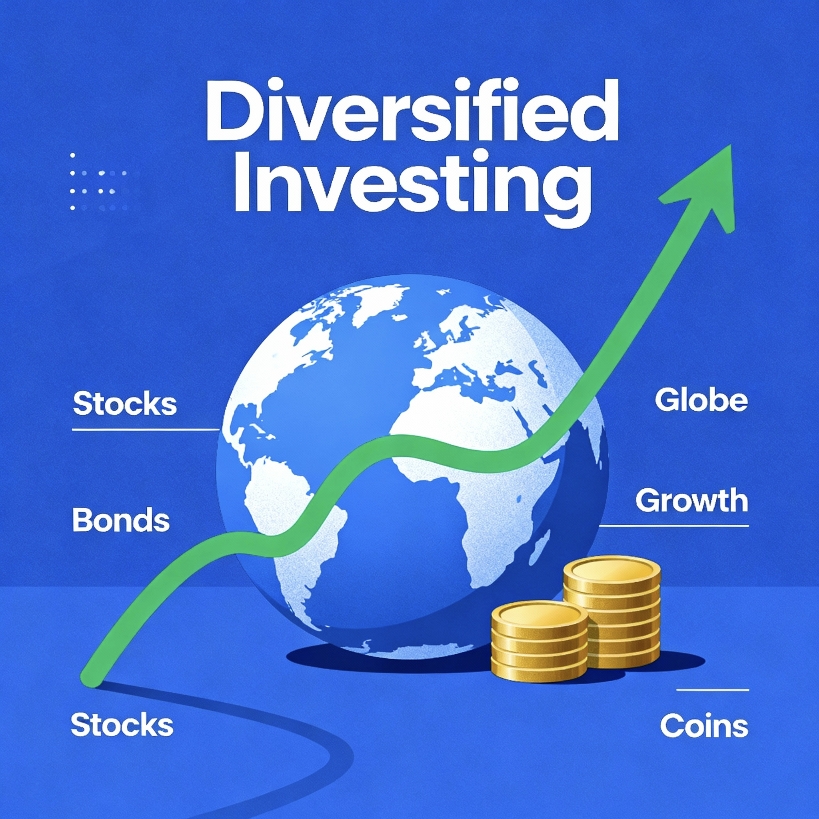
Most beginners do well with broad, low‑cost index funds or ETFs covering global stocks and high‑quality bonds. A classic approach is a “core three” portfolio: total domestic stock index, total international stock index, and total bond index. If you prefer fewer moving parts, consider a single target‑date or balanced index fund that automatically maintains allocation.
Step 5: Set Your Asset Allocation
Asset allocation drives most of your long‑term return and volatility. As a simple rule of thumb, aggressive investors may hold 80–100% stocks, moderate around 60–80% stocks, and conservative 40–60% stocks, with the balance in bonds and cash. Revisit allocation as your life changes, not because the news cycle is noisy.
Step 6: Automate Contributions (Dollar‑Cost Averaging)
Schedule automatic transfers to invest on a set cadence—every paycheck or monthly—regardless of headlines. Dollar‑cost averaging reduces timing stress and builds discipline, turning saving into a habit. Increase contributions 1–2% after raises to quietly accelerate compounding without lifestyle strain.
Step 7: Keep Costs Low and Taxes Smart
Favor low‑expense index funds; small fee differences compound into big gaps over decades. Place tax‑inefficient assets (like taxable bond funds) in tax‑advantaged accounts when possible and use tax‑efficient stock index funds in taxable accounts. If appropriate, use tax‑loss harvesting to offset gains and rebalance opportunistically.
Step 8: Rebalance Once or Twice a Year
Markets drift; rebalancing returns your portfolio to its target mix by trimming what’s grown and adding to what’s lagged. Set a calendar reminder or use 5–10% band rules to trigger action while avoiding over‑trading. Rebalancing controls risk and systematically buys low/sells high without guesswork.
Step 9: Avoid Common Pitfalls
- Chasing hot tips or past performance instead of sticking to a plan.
- Holding too many overlapping funds and accidentally concentrating risk.
- Keeping large idle cash positions meant for long‑term goals.
- Panic‑selling during market dips, then missing the rebound.
- Ignoring fees, taxes, and rebalancing until problems compound.
Step 10: Create a One‑Page Investment Policy
Write your goals, target allocation, contribution schedule, rebalancing rules, and when you’ll reconsider the plan. Limit changes to life events—new job, marriage, home purchase—or a scheduled annual review. This removes emotion and keeps you consistent when markets swing.
Sample Starter Portfolios
Single‑Fund Simplicity
A target‑date or balanced index fund automatically mixes global stocks and bonds based on your timeline and maintains balance for you. This “set‑and‑forget” option is ideal if you value ease over customization. Ensure the underlying expense ratio is low and the glide path matches your risk tolerance.
Three‑Fund Classic
Combine a total domestic stock index, total international stock index, and total bond index according to your target allocation. For example, a moderate 70/30 mix might split stocks 60/40 between domestic and international, with 30% in bonds. Rebalance annually and raise contributions over time.
Investing for Specific Goals
- Retirement (20+ years): Emphasize stocks for growth with broad global diversification.
- Home purchase (3–5 years): Shift toward short‑term bonds/cash to reduce volatility risk.
- Education (5–15 years): Use age‑based portfolios or glide paths that derisk as enrollment nears.
- Wealth building (10+ years): Maintain a consistent stock/bond mix with disciplined rebalancing.
Risk Management and Behavior
The biggest determinant of success is behavior—saving enough, staying invested, and following your rules. Expect volatility: drawdowns are normal, but time in the market historically beats attempts to jump in and out. Keep at least 3–6 months of expenses in cash to avoid selling investments at a bad time.
Building Confidence in 30 Days
- Open the right accounts (retirement first, then brokerage) and turn on automatic transfers.
- Pick your portfolio (single balanced fund or three‑fund core) and set your target allocation.
- Document your one‑page policy, contribution amount, and rebalance plan.
- Read one quality investing book or guide and ignore noise from short‑term market headlines.
Final Thoughts
Successful investing is a habit, not a hunch: automate savings, diversify broadly, keep costs low, and rebalance on schedule. With a written plan and steady contributions, market ups and downs become part of the journey—not a reason to quit. Start simple today and let time and compounding do the heavy lifting.